

NATO Association of Canada
The mission of NATO Association of Canada is to promote peace, prosperity, and security through knowledge and understanding of the importance of NATO.
We strive to educate and engage Canadians about NATO and NATO’s goal of peace, prosperity and security. NATO Association of Canada ensures that we have an informed citizenry able to contribute to discussions about Canada’s role on the world stage.
As a leading member of the Atlantic Treaty Association (ATA), NATO Association of Canada has strong and enduring ties with sister organizations in many of the alliance countries, as well as members of NATO’s “Partnership for Peace” and “Mediterranean Dialogue” programmes. The NAOC has had a leading role in the recent transformation and modernization of the ATA, and helped to create and develop the Youth Atlantic Treaty Association (YATA).
The NAOC has strong ties with the Government of Canada including Global Affairs Canada and the Department of National Defence. We are constantly working to create and maintain relationships with international organizations such as the World Bank Group, the European Bank of Reconstruction and Development, NATO Headquarters, the International Criminal Court, and other prominent international NGOs and think tanks.
Related Articles
Why Operation UNIFIER Matters
Posted on Author Isabelle Ava-Pointon
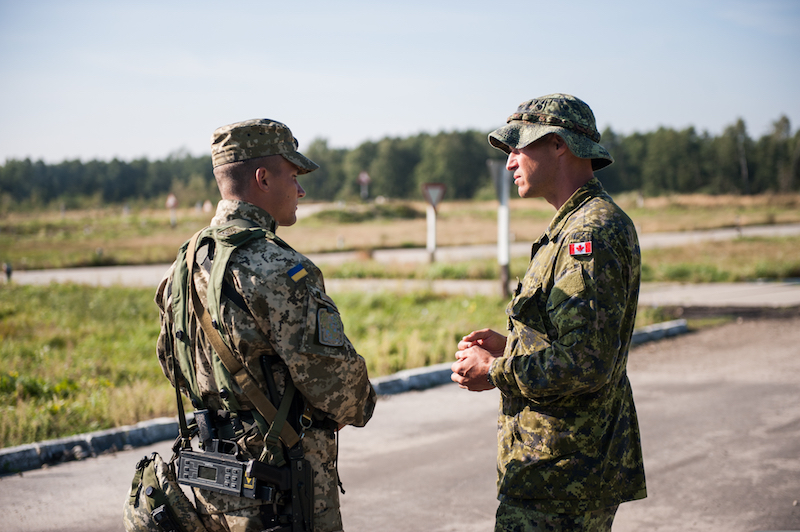
Isabelle Ava-Pointon discusses the ongoing situation in Ukraine, and why joint Canadian-Ukrainian military operations like UNIFIER are still important for maintaining security within the region.
Summit of the Future: What to Know
Posted on Author Clara Lachman
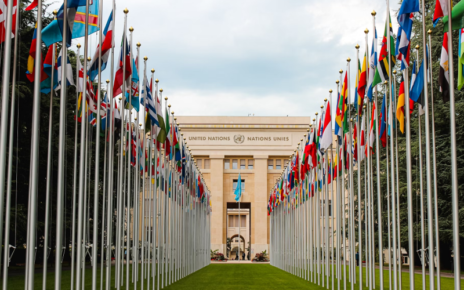
On July 1, 1944, 730 delegates from 44 nations convened at the Mount Washington Hotel in Bretton Woods, New Hampshire to discuss a path of recovery following the tragedies of the Great Depression and the Second World War. With attendance from Allied countries, including Canada, the United Kingdom, the United States, India, and China, delegates Read More…
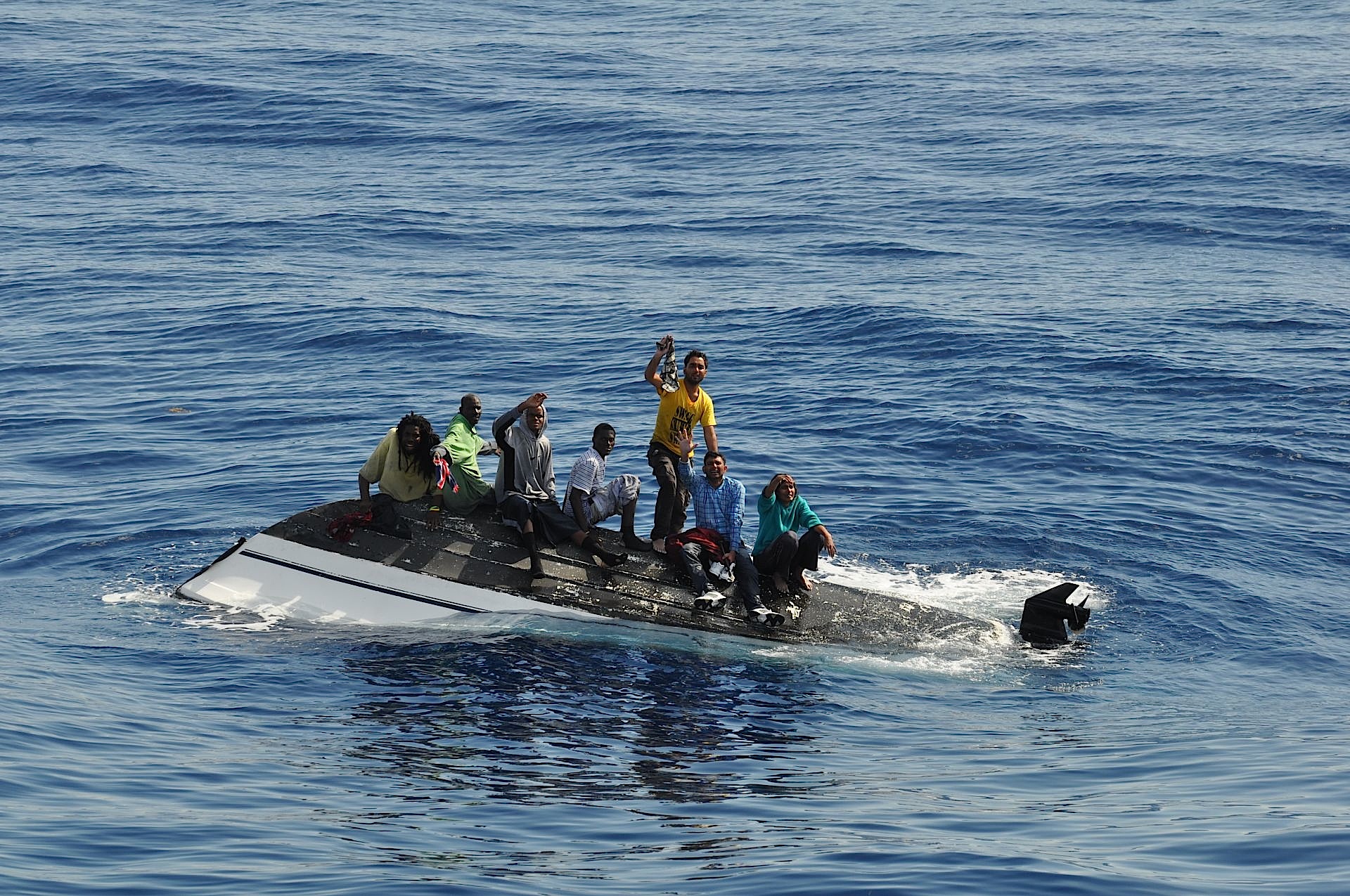
The Little Engine That Couldn’t: Phasing Out Mare Nostrum (Part One)
Posted on Author John Woodside
This past July I wrote about Italy’s Mare Nostrum project, which was designed to save vulnerable migrants while crossing the Mediterranean. The program has cost the Italian Government approximately 9 million euros per month, and will be officially phased out by the end of the year. Part of the reason the program was ended was Read More…