Since its inception in 1949, Canada has played an integral role in the North Atlantic Treaty Organization (NATO) and its numerous military and non-military engagements. As a founding member, Canada’s involvement over the past 70 years has varied from troop deployment and training in Europe during much of the Cold War, to activity abroad in places like Afghanistan and Libya. The articles in the NATO and Canada program examine NATO’s operational history and Canada’s role from a multitude of perspectives. The NATO Association of Canada aims to supply Canadians with a greater insight into the inner workings of this long-standing alliance and its Canadian contributions.
Canada has finally committed to meeting NATO’s spending expectations, but public support for those commitments may be far shallower than policymakers assume. As defence spending rises and global instability intensifies, Canadians increasingly support military investment while remaining uncertain about the obligations and trade-offs that collective security requires. This article argues that Canada’s greatest defence challenge is not necessarily financial, but democratic: a growing gap between the commitments Ottawa is making and the public understanding needed to sustain them. Without greater strategic literacy, support for defence spending risks remaining reactive, fragile, and vulnerable to changing political and economic conditions.
How will the war in Ukraine end? While NATO allies have been effective in preventing Ukraine’s defeat, defining a political end-state has proven much more complicated. In this piece, Jonah Moffatt examines the “victory paradox” between Moscow and Kyiv, and the implications of this stalemate on Canadian national interests. With peace talks on the back burner and shifting geopolitical priorities, the relationship between peace and victory becomes increasingly unclear.
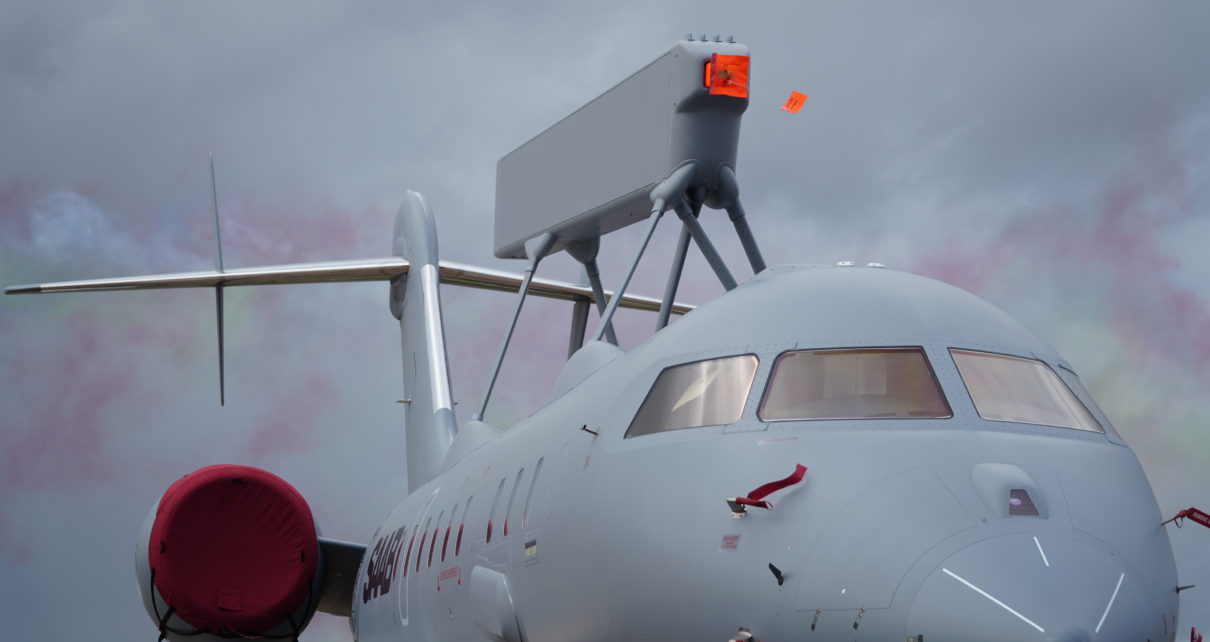
In this article, Zev Wood examines the NATO and Canadian-level implications of NATO’s decision to replace its aging Boeing E-3 Sentry surveillance fleet with the GlobalEye. He argues that the deal, while reflecting NATO’s desire to improve its military capacity, points to a broader realignment away from the United States. He underscores that this moment provides Canada with a strategic window to entrench itself as a reliable alternative to the United States and a burgeoning defence manufacturing nation.
How stable is NATO? While the Presidency of Donald Trump has drawn significant attention to the future of the alliance, the rise of similar far-right ideologies in Europe presents a similar, yet less publicized threat to NATO. Ahead of the 2027 French presidential elections, Jonah Moffatt uses the Rassemblement National as a case study to assess the impact of a victory for the right on NATO cohesion and Canadian foreign policy interests.
Canada has finally hit NATO’s 2% defence spending target, and it aims even higher. But writing bigger cheques doesn’t automatically translate into battle-ready ships, jets, or troops. Between procurement timelines that stretch into the 2050s, a personnel system that hires only one in thirteen applicants, and serviceability rates hovering around 58%, the gap between budget promises and deployable power remains stubbornly wide. Canada is making smart moves: joining European defence initiatives and diversifying away from US-only supply chains, but the real test will be whether it can turn historic investment into tangible military effect before allied patience runs thin.
As the US and Israel’s campaign against Iran continues, it has potential to draw NATO, and Canada as a member of the alliance into uncharted territory. Canada finds itself walking a diplomatic tightrope: offering political support to its allies while firmly keeping its troops out of the fight. This “support without participation” stance has allowed Canada to preserve alliance solidarity and avoid military overreach, but it’s increasingly tested as missiles enter NATO airspace and resources grow thin across theaters. With European allies diverging in their responses, the big question remains: how long can political backing alone satisfy an alliance under mounting pressure? For now, Canada is banking on de-escalation but the Tehran precedent, though on a two-week pause, is still very much a work in progress.
Rachel Potter examines Canada’s bid to host the proposed Defence, Security and Resilience Bank and its implications for allied defence investment. She explores how the institution would mobilise capital markets to finance defence procurement and industrial expansion for NATO members and partner states, and how hosting the bank could position Canada at the centre of an emerging system of allied defence finance while strengthening its strategic role within the NATO security ecosystem.
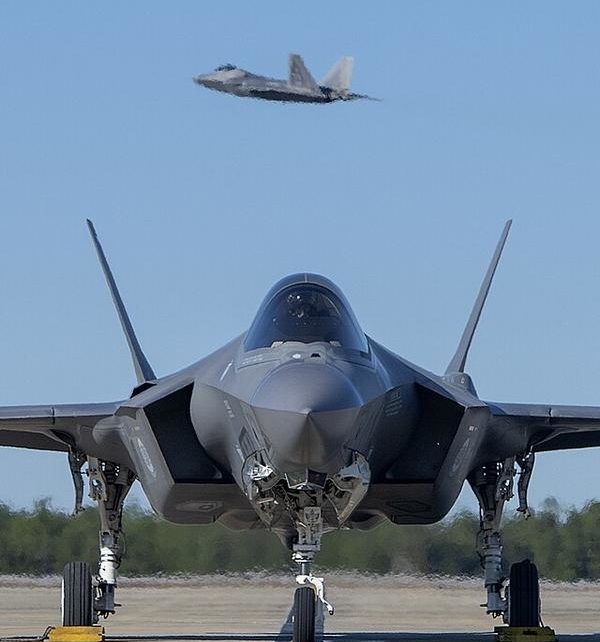
As Ottawa revisits its commitment to purchase 88 F-35A fighter jets, Jonah Moffatt argues that renewed hesitation signals strategic indecision and that a mixed fleet including the less advanced Saab JAS-39 Gripen would dilute Canadian airpower. If Canada seeks to lead within NATO and fulfil its middle-power ambitions, it is necessary to ground credibility in capability and avoid prioritizing political considerations over long-term security interests.
The Arctic’s strategic transformation within NATO following Finland and Sweden’s accession underscores the region’s growing importance to the alliance. Canada’s central geography links European and North American security and strengthens the northern defence architecture. Enhanced Canadian strategic initiatives and proactivity could bridge alliance coordination and reinforce deterrence in the High North. Addressing Canada’s underutilized role would advance both NATO cohesion and long-term Arctic stability.
At the 2025 NATO Summit, Prime Minister Mark Carney announced that critical mineral expenditures would contribute to Canada’s 5% NATO defense spending contribution. Key to this new positioning is the building of essential industrial infrastructure necessary for critical mineral development and exportation, of which 1.5% of the new commitment is dedicated to. This new approach Read More…