The Centre for Disinformation Studies (CDS) is a nonpartisan research and public outreach wing of the NATO Association of Canada, created in April 2019. The goal of the CDS is to facilitate engagement between academics, government, and the public on the topic of disinformation or ‘fake news’. Although disinformation has long been an aspect of human communication, new technologies and a changing international landscape have pushed the idea of disinformation into public awareness in unprecedented ways. The spread of disinformation in recent years has been facilitated by the proliferation of online social networks and digital information-sharing platforms. These new technologies have eroded public trust in conventional sources of information and have helped spread skepticism towards science, academia, and democratic institutions.
The Centre for Disinformation Studies has two main objectives. The first is to provide an interdisciplinary platform for scholars from across the country and beyond to share and discuss research relating to the study of disinformation. The second objective of the CDS is to help disseminate academic research on disinformation to the public in an accessible and engaging manner. By directly engaging the public and helping to bridge the gap between academic research and societal perceptions, the CDS aims to improve the public’s ability to engage critically with information spread through new digital technologies. The CDS also works to strengthen Canadians’ cultural resiliency towards misleading information or conspiracy theories by providing resources to help the public navigate an increasingly confusing information landscape.
As Canada accelerates its AI capabilities, data centres are emerging as important strategic assets, underpinning everything from cloud computing and public services to economic competitiveness and national security. In this article, Dorigen Gray explores how Canada’s continued reliance on foreign cloud providers creates challenges for technological sovereignty and shapes debates surrounding domestic data centre expansion. By examining how foreign actors can exploit these debates through influence operations, the article highlights why building resilient digital infrastructure will require balancing sovereignty, transparency, and public trust.
The European Union has come to treat disinformation not as a problem of false information, but as a threat to democracy itself. In this article, Dominique Arseneau-Bruneau examines how legality, legitimacy, and speed shape the EU’s response to information confrontation and what its experience reveals about the limits of democratic defence.
How does a pathogen with little pandemic potential threaten international security and defence? What happens when adversaries create and reuse conspiracies against a traumatized public? Ji Young Kim explores the current hantavirus outbreak, illustrating how hostile actors weaponize institutional betrayal and post-COVID trauma to disrupt NATO logistics and outline the urgent next steps required.
What happens when the technologies designed to “personalize” and improve the optimization of our lives begin to mirror the tactics historically associated with fascist systems? In this article, Dorigen Gray explores the concept of technofascism and the hidden relationship between AI, algorithmic governance and application, and authoritarian forms of control. By examining the automation of behaviour, the control of information, and the growing concentration of technological and political power, the article reveals how modern technologies can quietly shape human experience, undermine democratic discourse, and normalize systems of domination beneath the promise of innovation and technological progress.
Can democratic states effectively counter disinformation without undermining the principles they seek to protect? Dominique Arseneau-Bruneau examines how legality, legitimacy, and institutional complexity shape democratic responses in the information environment.
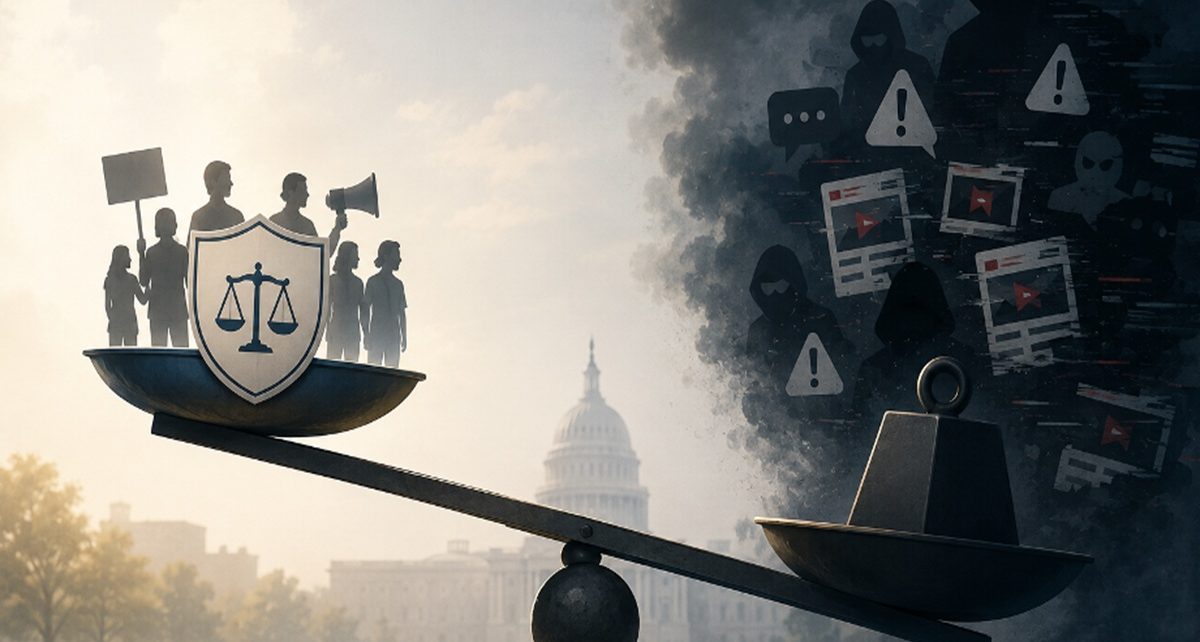
In this special report, Soha Sarfraz examines how Iran and Russia use influence operations and information warfare to weaken democratic cohesion across NATO societies. Particularly by targeting key institutions through digital disruption, narrative manipulation, and the covert exploitation of grassroots mobilization. She argues that these campaigns threaten not only institutions themselves, but also the social trust, political consensus, and informational resilience that sustain collective defence, underscoring the need for stronger democratic resilience and alliance-wide responses to hybrid threats.
How can allied democracies inadvertently amplify each other’s friendly-fire of confusion and panic? What existential threat does this pose to content creators, journalists, or news anchors? Ji Young Kim examines how AI-generated misinformation shapes interpretation in the context of recent geopolitics and modern media culture.
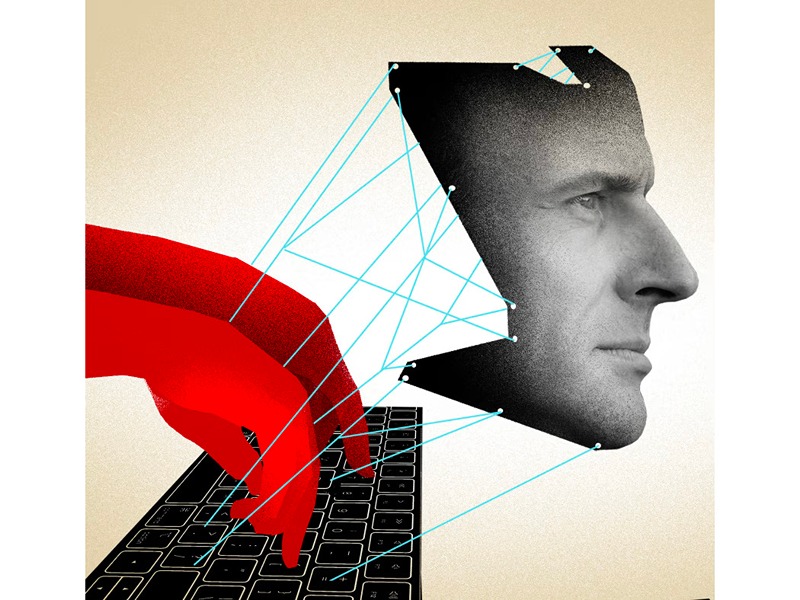
In this article, Soha Sarfraz explores how the rise of deepfakes is placing new strains on democratic resilience, using Denmark’s developing legal and policy response as a case study of how states may preserve trust and political legitimacy in the age of fake media, Soha examines what lessons Canada might draw from that model. She argues that deepfakes increasingly threaten not only individual reputations, but also electoral integrity and the broader information environment, contending that the challenge is no longer merely a technological, but fundamentally political and strategic.
On January 3, 2026, the United States announced that its forces had captured Venezuelan President Nicolás Maduro and flown him to New York to face charges. Within minutes of President Donald Trump’s message breaking across social media platforms, an array of AI-generated images, recycled footage, and outright false claims began circulating widely. Some purported to Read More…
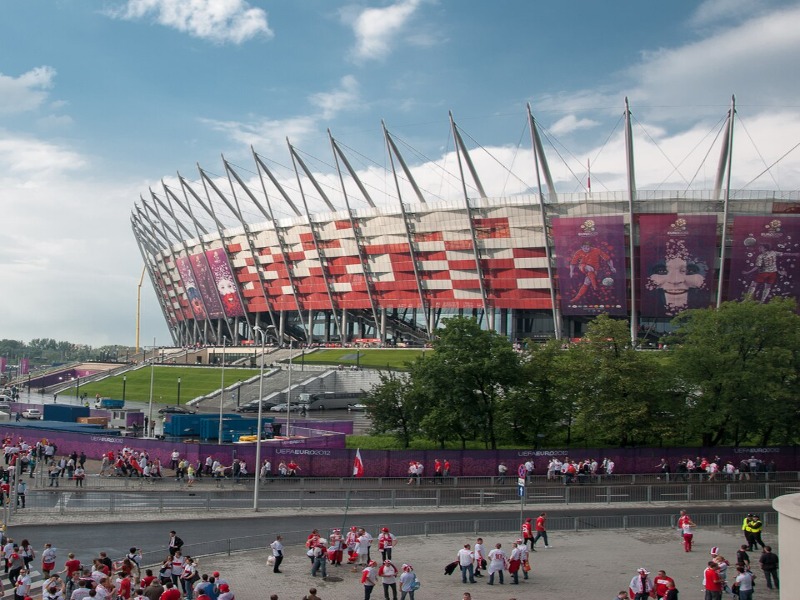
On 9 August in Warsaw, police detained 109 people during a concert by Belarusian singer Max Korzh for “drug possession, unlawful entry, assaults on security staff and use of pyrotechnics.” At the same event, one attendee displayed the red-and-black flag associated with the Ukrainian Insurgent Army (UPA). The symbol is contentious in Poland because the Read More…