Dominique Arseneau-Bruneau brings both academic and practitioner perspectives to contemporary security issues, with a particular focus on the information environment. She draws on 20 years of military experience, including operational deployments in the Middle East, Eastern Europe, and West Africa, and has worked in strategy and plans focused on contemporary conflict and multinational operations in the Middle East. She holds a Master’s degree in International Relations and is a non-resident fellow with the NATO Defense College.
Canada has the institutions, the reports, and the warnings about disinformation. What it lacks is a population that feels the threat. In this article, Dominique Arseneau-Bruneau looks at how Canada’s lack of urgency affects its response to disinformation through the lens of legality, legitimacy, and speed, and what the cost of that comfort may ultimately be.
The European Union has come to treat disinformation not as a problem of false information, but as a threat to democracy itself. In this article, Dominique Arseneau-Bruneau examines how legality, legitimacy, and speed shape the EU’s response to information confrontation and what its experience reveals about the limits of democratic defence.
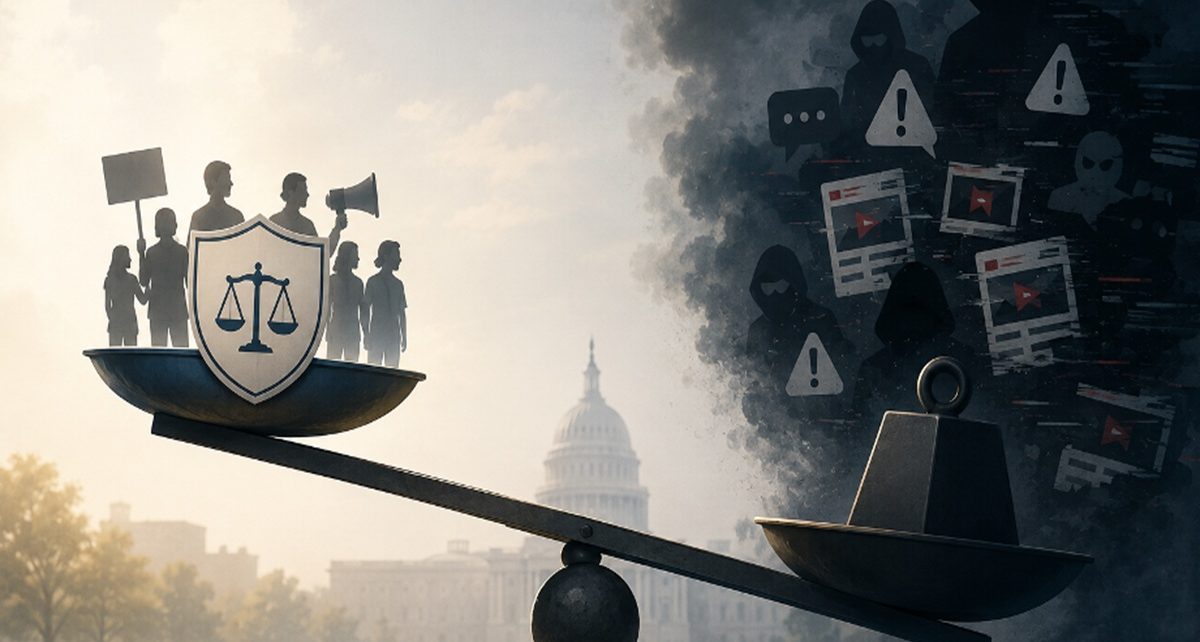
Can democratic states effectively counter disinformation without undermining the principles they seek to protect? Dominique Arseneau-Bruneau examines how legality, legitimacy, and institutional complexity shape democratic responses in the information environment.