The NATO Association of Canada’s Society, Culture, and Security program takes a look at the issues that impact Canadians’ every day lives while connecting them to international relations. The program covers a wide range of topics, which include: pop culture, art, film, global events, and socio-political relations. In addition, Society, Culture, and IR aims to examine and provide in-depth analyses that relate international affairs to the interests of Canadian society.
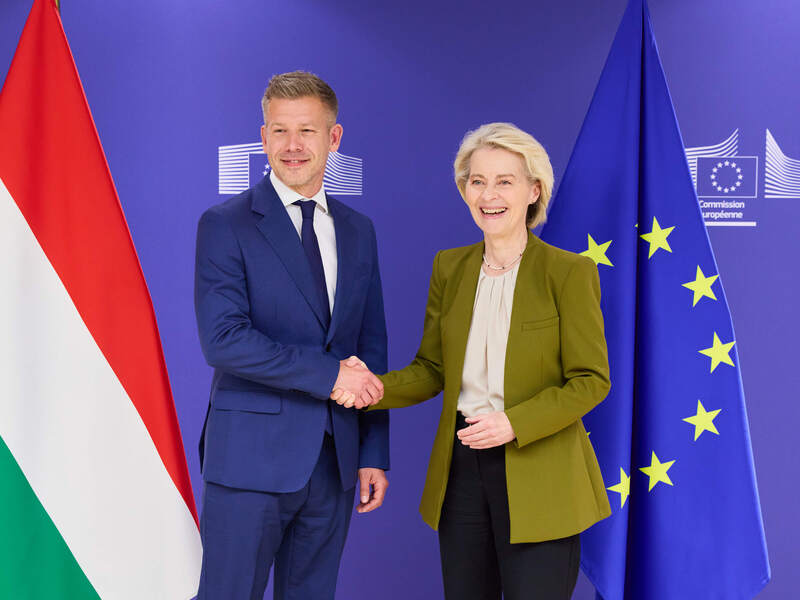
One of the most anticipated and consequential elections of 2026 has been Hungary’s April 12th parliamentary election. Under the premiership of Viktor Orbán, who had served as Hungary’s prime minister for almost 20 cumulative years, Hungary had become synonymous with democratic backsliding and obstructionism within the European Union (EU) and NATO. Orbán, a former anti-communist Read More…
Countries from around the world are invited to represent themselves through national pavilions at the Venice Biennale, an international cultural exhibition with a focus on art in Venice, Italy. In 2026, 100 nations participate in the festival. It provides a unique platform for cultural diplomacy, the projection of soft power, and for countries to showcase Read More…
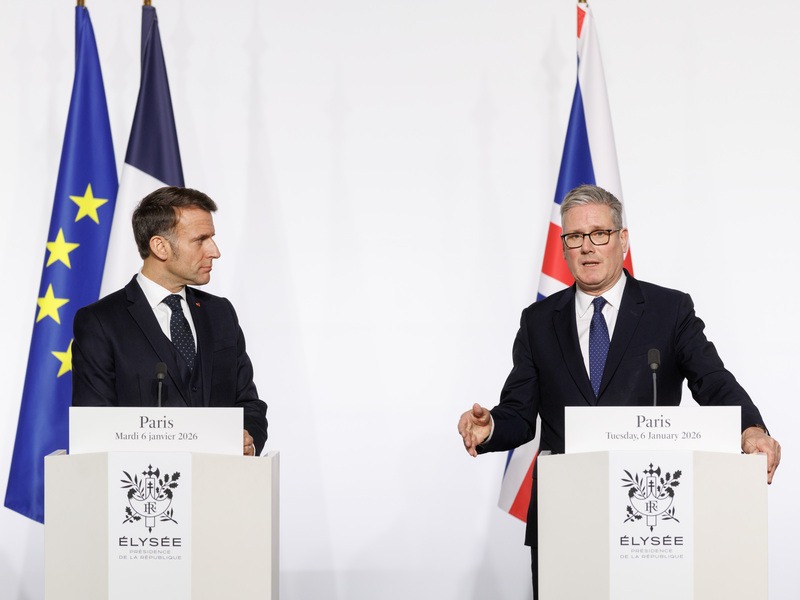
Charles de Gaulle, the father of the French Fifth Republic and French nuclear policy, once proclaimed that “no country without an atom bomb could properly consider itself independent.” Consequently, France is the only European NATO ally with a domestically developed nuclear arsenal. Said arsenal has enabled French leaders to pursue a degree of strategic differentiation within NATO, where France remains outside NATO structures like the Nuclear Planning Group. French policymakers have long spoken Read More…
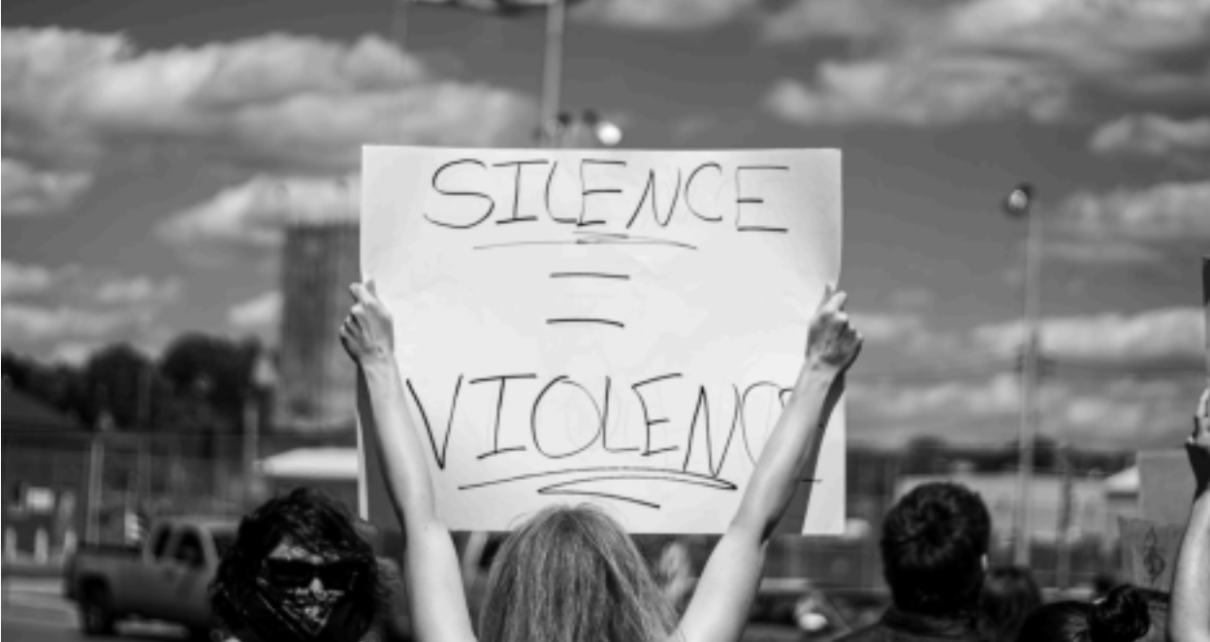
En temps de guerre, certaines formes de violence s’imposent immédiatement à l’attention : bombardements, combats de rue ou destructions d’infrastructures. D’autres formes de violence, pourtant comparables en termes d’impact social et politique, demeurent structurellement sous-intégrées aux cadres d’analyse sécuritaire. C’est le cas de la violence sexuelle, largement documentée dans de multiples conflits contemporains. Cette violence Read More…
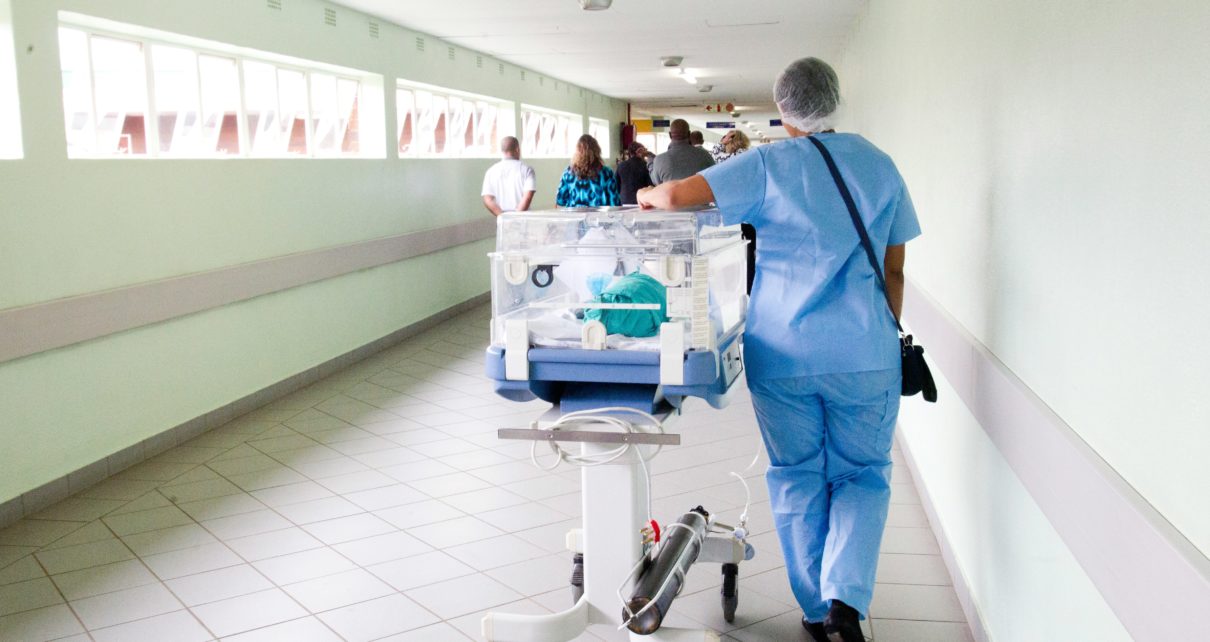
Dans les conflits armés contemporains, la violence ne se limite plus aux affrontements militairesdirects, mais s’étend à des leviers indirects visant à affaiblir la résilience des sociétés civiles. Elles’étend désormais aux infrastructures civiles essentielles, et en particulier aux systèmes de santé,qui sont de plus en plus pris pour cibles de manière délibérée. Pourquoi la destruction Read More…
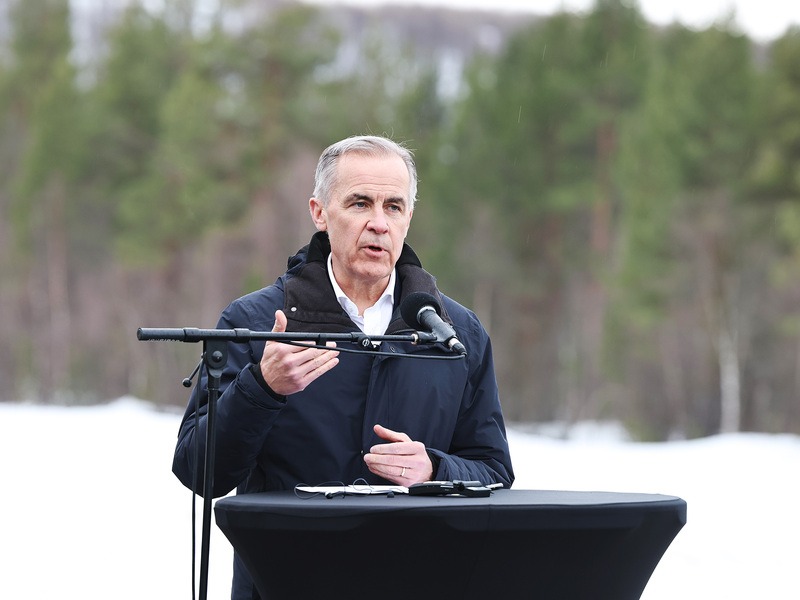
March 16, 2026 marks one year since Mark Carney took office as Prime Minister of Canada, following his victory in the 2025 Liberal Party leadership race. Subsequently, in a rare federal election where foreign policy was the most salient issue, Carney promised to revitalize the Canadian Armed Forces and meet NATO defence spending guidelines while reinforcing Canada’s relationships with its non-US allies and partners. The zenith of Carney’s first year was Read More…
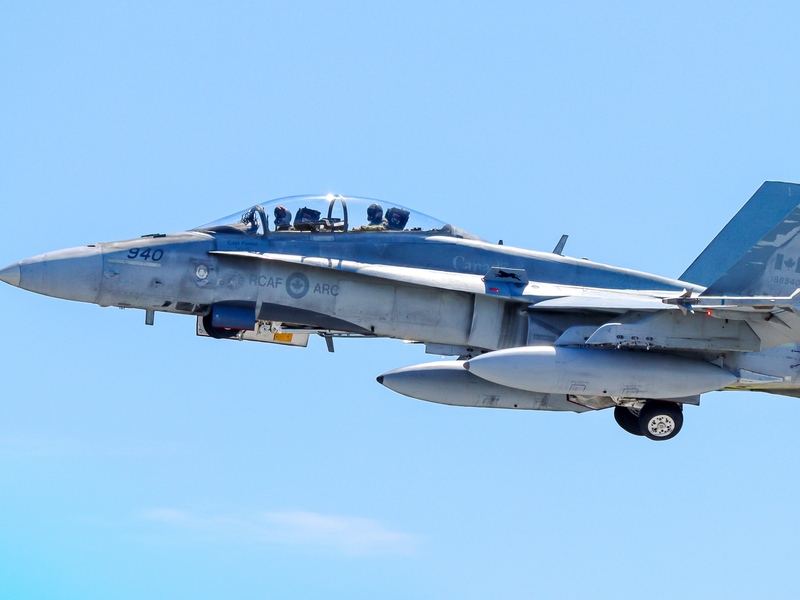
With rapid technological innovation, it can be tempting to make technology the central focus of the defence industry by assuming that superior advancements alone could secure victory on a potential battlefield. A dangerous assumption in this current political climate is to assume that war is unlikely and that defence funds would be better allocated elsewhere. Read More…
Public support for NATO is often treated as a background statistic – measured through opinion polls, but rarely examined in depth. In democratic societies like Canada, however, public support is more than a reflection of sentiment. It is a key source of democratic legitimacy for foreign and security policy, shaping political decision-making and sustaining long-term Read More…
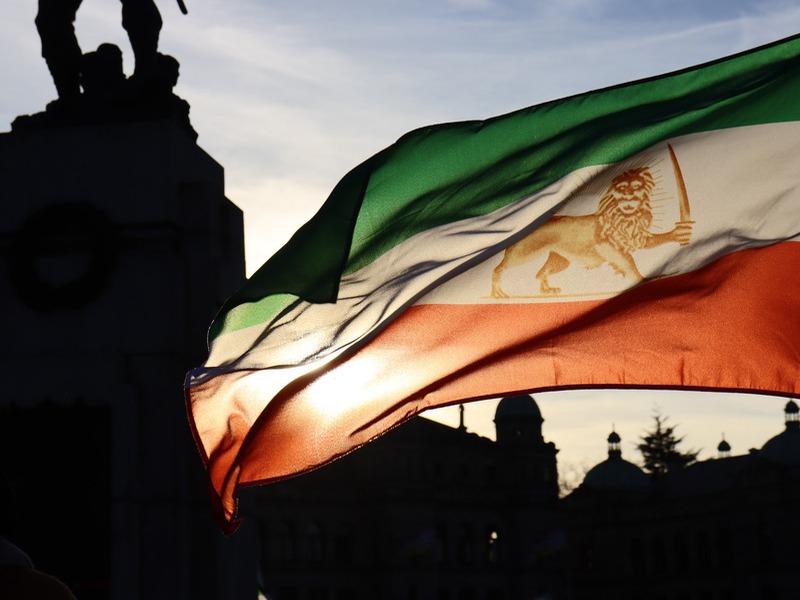
This article was written prior to the joint US-Israel attack on Iran. The following article is a reflection of events prior to military intervention. The recent protest in Iran, which began on December 28, 2025, is far more than a reaction to economic hardship. Although the initial unrest was driven by inflation, currency devaluation, and Read More…
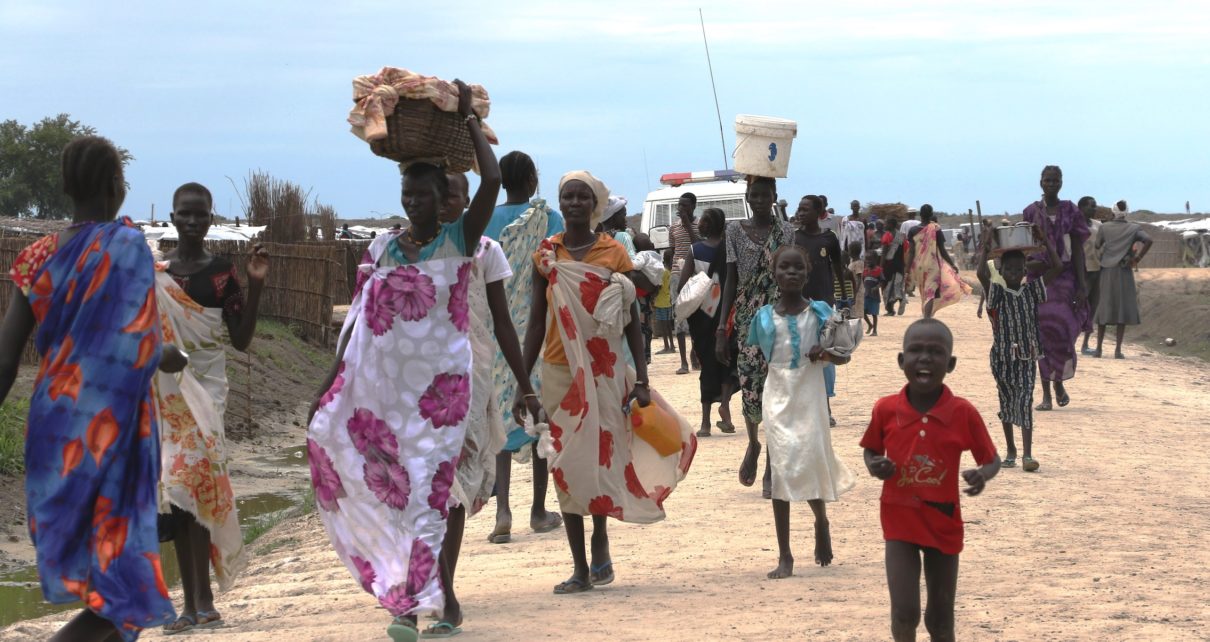
Sudan has descended into one of the world’s most severe humanitarian crises of the moment, with more than 11 million people internally displaced, over 21 million facing acute food insecurity, and several areas assessed at emergency orfamine-level conditions. The war that precipitated this crisis began in April 2023 as a power struggle between the Sudanese Armed Forces (SAF) Read More…