Rachel Potter is a Junior Research Fellow at the NATO Association of Canada within the NATO and Canada Program and an undergraduate student pursuing a trilingual European law degree in French, English, and German. Her research experience includes a legal internship in Turkey, where she examined the country’s engagement with the European Court of Human Rights and capital punishment. She also works with Amnesty International, assisting asylum seekers and refugees in preparation for interviews with the French Office for the Protection of Refugees and Stateless Persons. Her interests center on diplomacy, human rights, and international law, with a particular focus on European legal frameworks.
Society, Culture, and Security

How the Application of Immigration Policy at the 2026 FIFA World Cup Exposed a Gap in NATO’s Resilience Doctrine

Somali referee Omar Artan had described officiating at a World Cup as the biggest dream of his life. That dream ended at passport control. Artan was interrogated for eleven hours at Miami International Airport before being denied entry to the United States on grounds of an alleged association with suspected members of terror organizations. He Read More…

NATO and Canada

What Kevin Hamilton’s Appointment to NATO Signals About Canada’s Diplomatic Influence and the Alliance’s Growing Focus on the Caucasus and Central Asia

Rachel Potter analyzes Kevin Hamilton’s appointment to NATO, arguing that it reflects Canada’s expanding institutional influence within the alliance while highlighting the growing strategic importance of the Caucasus and Central Asia as NATO deepens its engagement amid rising geopolitical instability.

NATO and Canada

Pay to Play: What the PJBD Suspension Reveals About U.S. Alliance Reliability and Canada’s Strained Defence Integration with Washington

Rachel Potter analyzes the Trump administration’s suspension of the Permanent Joint Board on Defence, arguing that it marks a qualitative shift in U.S. alliance behaviour in which shared defence institutions are weaponized as instruments of coercion, revealing a strategic logic that goes beyond burden sharing disputes and instead reflects an effort to reshape the institutional architecture of continental defence on American terms.

NATO and Canada

What Canada’s Bid to Host the Defence, Security and Resilience Bank Signals About Allied Rearmament and National Ambition

Rachel Potter examines Canada’s bid to host the proposed Defence, Security and Resilience Bank and its implications for allied defence investment. She explores how the institution would mobilise capital markets to finance defence procurement and industrial expansion for NATO members and partner states, and how hosting the bank could position Canada at the centre of an emerging system of allied defence finance while strengthening its strategic role within the NATO security ecosystem.

4. Programs NATO and Canada

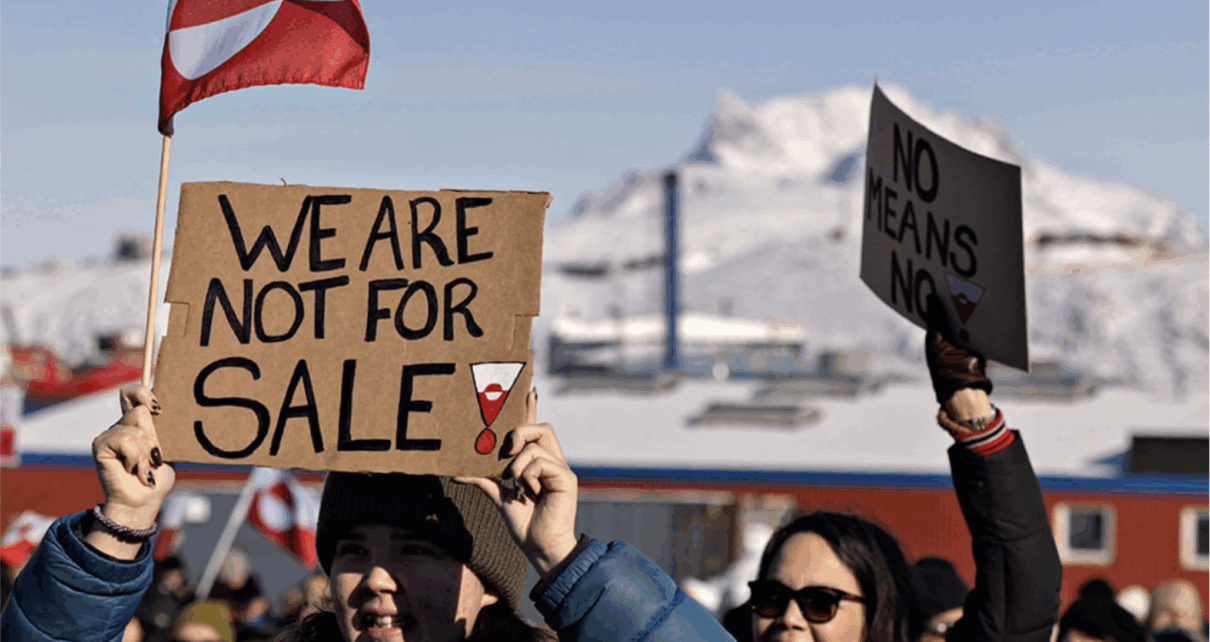
When Allies Become Threats: What U.S. Pressure on Greenland Reveals about NATO’s Fragility and Canada’s Arctic Vulnerability

Rachel Potter analyzes the geopolitical fallout of U.S. pressure on Greenland, arguing that it reveals a deeper fragility within NATO and raises a critical question for Canada: can alliance guarantees still be trusted when power begins to override restraint?