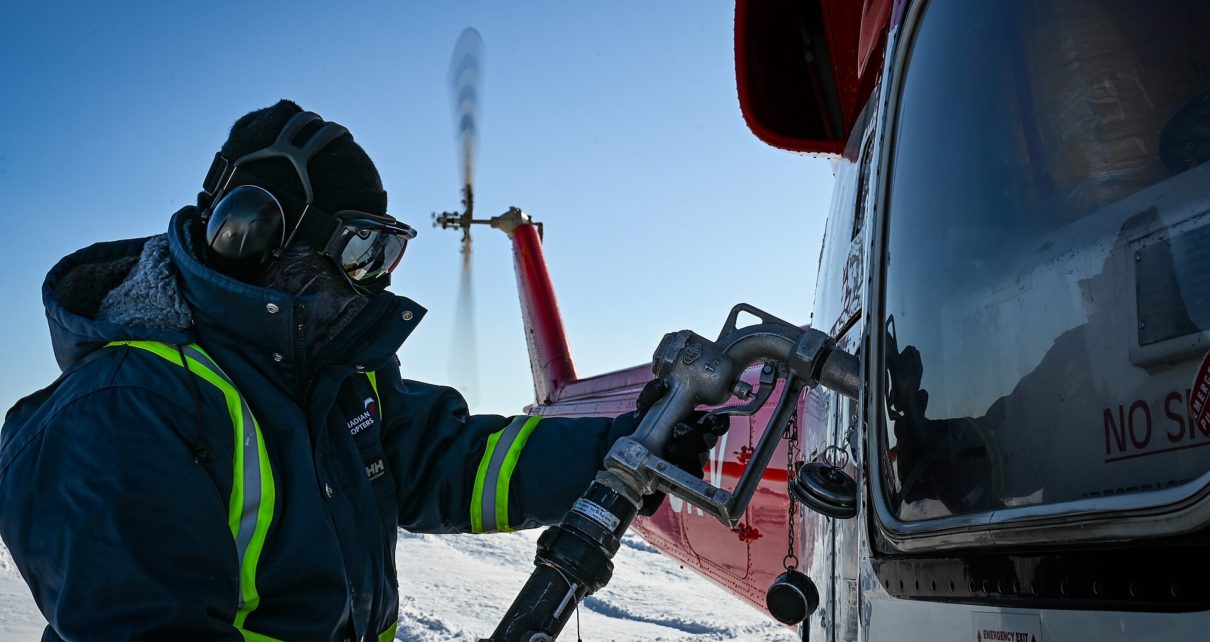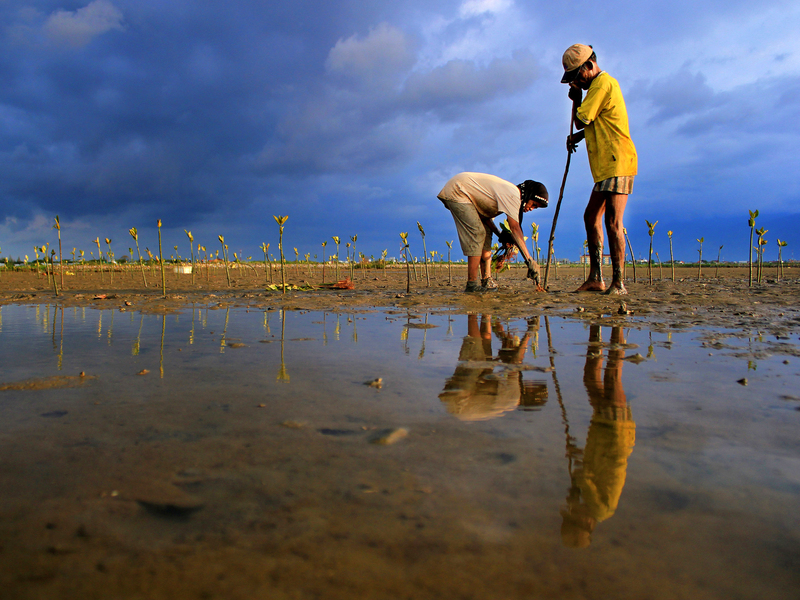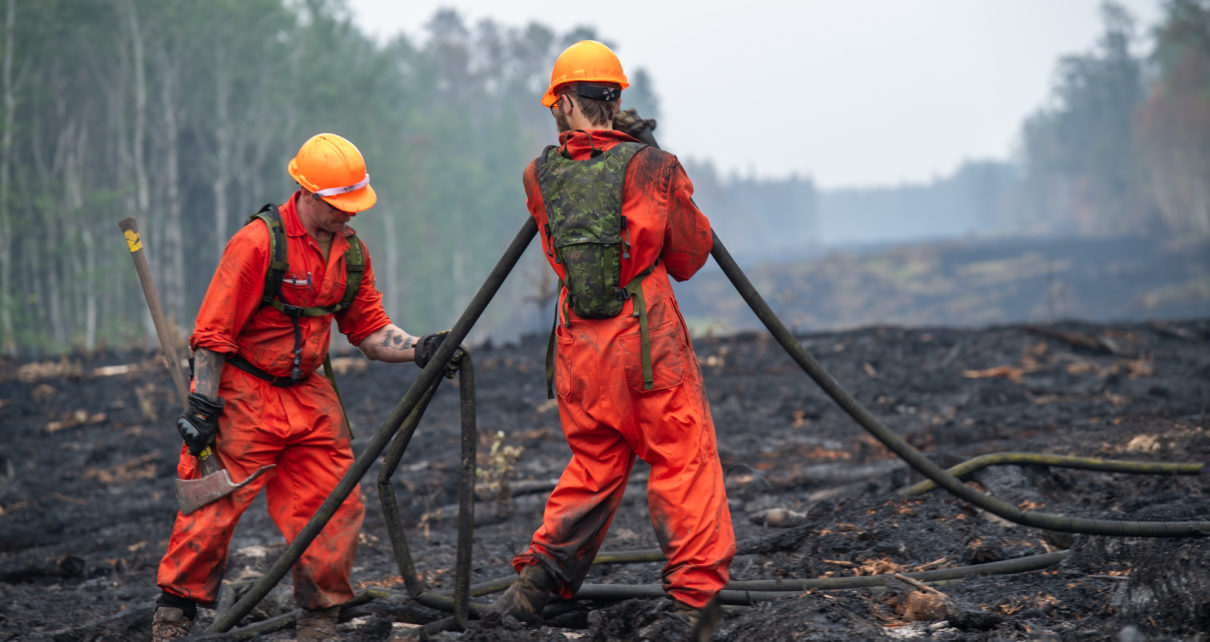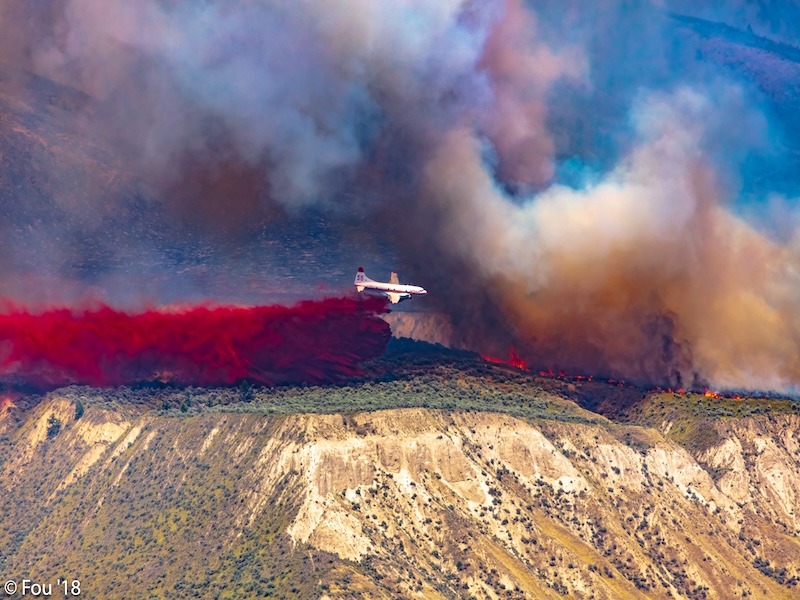
In Canada, the increasing frequency and intensity of wildfires, driven by climate change, have evolved from an environmental challenge into a national security concern, threatening critical infrastructure, displacing communities, and straining the capacities of emergency and military response systems. This is most evident in British Columbia, where recent wildfire seasons have forced governments to escalate Read More…
Environment, Climate Change, and Security
Climate Change as a Threat Multiplier in the Global South
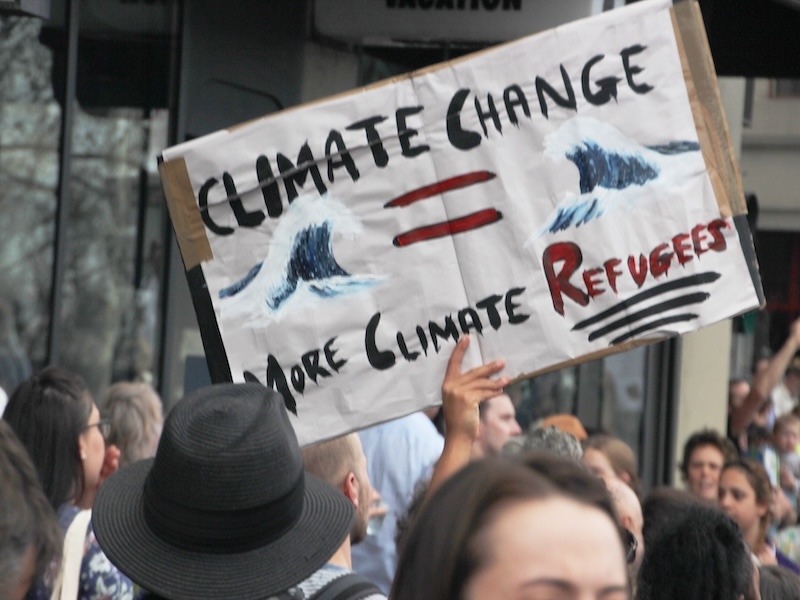
From devastating floods in Pakistan to prolonged droughts across the Horn of Africa, climate-related disasters are increasingly shaping political and humanitarian crises around the world. Climate change is often described as a “threat multiplier” because it tends to intensify challenges that already exist within societies rather than directly causing conflict on its own. Environmental pressures Read More…
From Oil to Environment: How the Strait of Hormuz Shapes Global Energy and Canadian Security
A single geopolitical disruption can send shockwaves through the global economy, revealing not only how fragile the world’s energy systems are, but also how deeply they are tied to environmental challenges. The Strait of Hormuz is a vital passage in the global energy system, serving as a narrow passage through which a significant portion of Read More…
Collective Defence Without Command: NATO’s Emerging Dependence on Privately Governed Infrastructure
For most of its history, NATO’s credibility rested on assets it could command: troops, bases, weapons systems, and integrated military planning. Deterrence depended on capabilities that were clearly owned, coordinated, and deployable under alliance authority. Today, however, the foundations of collective defence increasingly lie outside NATO’s direct control. Undersea data cables, satellite networks, commercial cloud Read More…
Canada’s Energy Strategy & Environmental Security
The global transition to clean energy is accelerating demand for critical minerals, placing Canada at the center of opportunity and environmental risk. Partnerships centered on critical minerals for the green energy transition require expanded mining and resource extraction, which can lead to land degradation, water contamination, and biodiversity loss. Canada has increasingly prioritized the development Read More…
La souveraineté canadienne à l’épreuve du Passage du Nord-Ouest
Avec la fonte accélérée des glaces, le Passage du Nord-Ouest devient progressivement navigable, transformant une route longtemps marginale en un enjeu central du commerce et de la sécurité internationale. Cette évolution remet directement en cause le statut juridique de cette voie maritime et, par conséquent, la capacité du Canada à en contrôler l’accès. L’importance croissante Read More…
How the Canadian Army is Uniquely Positioned for the Intensification of Climate Change
The world at present is situated before an interchange between growing geopolitical tensions and surging national defence budgets. Albeit, the cycle is complicated by the current Climate Crisis. It is no longer weapons or foes in which the battlefield is defined, but the environment itself. Modern armed forces, including Canada’s, must therefore confront threats emerging Read More…
How does community-level climate resilience in Canadian coastal communities contribute to NATO’s transatlantic security?
Climate change is increasingly shaping the security environment across the North Atlantic. Extreme weather events, including flooding, wildfires, heatwaves, and coastal storms, are placing growing pressure on infrastructure, emergency response systems, and economic activity. Recognising these dynamics, NATO’s 2022 Strategic Concept acknowledges that climate impacts affect military operations, degrade critical infrastructure and shape geopolitical competition. Read More…
Power Play in the Arctic: Part 6 – Cold Fronts, Hot Choices: Dr. George Soroka Looks Ahead
*This is the final instalment of a six-part series. For the final instalment of the “Power Play in the Arctic” series, Marcus Wong (MW) sat down with Dr. George Soroka (GS) of Harvard University’s Department of Government, who also serves as Executive Officer of The Harvard Academy for International and Area Studies at the Weatherhead Read More…
When Climate Risk Becomes a Security Issue: NATO’s Response to a Changing Threat Environment
Extreme weather is no longer a distant concern for defence planners. Across the Euro-Atlantic region, flooding has damaged military infrastructure, rising temperatures have affected personnel and equipment, and the accelerating loss of Arctic ice has begun to reshape strategic geography. As climate impacts intensify, they increasingly intersect with NATO’s core security priorities. Rather than constituting Read More…