


NATO Association of Canada
The mission of NATO Association of Canada is to promote peace, prosperity, and security through knowledge and understanding of the importance of NATO.
We strive to educate and engage Canadians about NATO and NATO’s goal of peace, prosperity and security. NATO Association of Canada ensures that we have an informed citizenry able to contribute to discussions about Canada’s role on the world stage.
As a leading member of the Atlantic Treaty Association (ATA), NATO Association of Canada has strong and enduring ties with sister organizations in many of the alliance countries, as well as members of NATO’s “Partnership for Peace” and “Mediterranean Dialogue” programmes. The NAOC has had a leading role in the recent transformation and modernization of the ATA, and helped to create and develop the Youth Atlantic Treaty Association (YATA).
The NAOC has strong ties with the Government of Canada including Global Affairs Canada and the Department of National Defence. We are constantly working to create and maintain relationships with international organizations such as the World Bank Group, the European Bank of Reconstruction and Development, NATO Headquarters, the International Criminal Court, and other prominent international NGOs and think tanks.
Related Articles
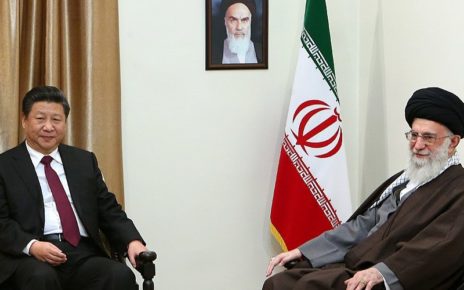
What the Iran War Means for China’s Taiwan Calculus
Posted on Author Nguyen Bao Han Tran
How is the Iran war reshaping China’s strategic calculations toward Taiwan? Nguyen Bao Han Tran examines how the conflict is reinforcing two competing lessons for Beijing: weaker actors can impose serious costs through asymmetric drone warfare, while prolonged U.S. military engagement elsewhere may strain allied deterrence in the Indo-Pacific. As Middle Eastern and Asian security dynamics become increasingly interconnected, this article argues that China may become more cautious about full-scale invasion while finding blockade, gray-zone coercion, and other strategies below the threshold of war increasingly attractive.
Maxed Out: NATO and the Growing Debt Crisis
Posted on Author NATO Association of Canada
NATO is the most powerful military alliance the world has ever known. But that power, at its core, is a reflection of the economic might of the nations in the Alliance. In times of dire economic circumstances, the capacity and the motivation to maintain strong armed forces and project military might around the world is Read More…

If You’re Not at the Table, You’re on the Grid: Middle Powers, Energy Systems, and Alliance Risk Tolerance
Posted on Author Hassan Ahmed
For much of the post-Cold War period, the relationship between economic policy and security policy within the transatlantic alliance was treated as complementary but distinct. Markets were expected to allocate resources, organize production, and deliver efficiency. Security institutions, by contrast, were expected to deter adversaries, manage military risk, and respond to external threats. That division Read More…