


NATO Association of Canada
The mission of NATO Association of Canada is to promote peace, prosperity, and security through knowledge and understanding of the importance of NATO.
We strive to educate and engage Canadians about NATO and NATO’s goal of peace, prosperity and security. NATO Association of Canada ensures that we have an informed citizenry able to contribute to discussions about Canada’s role on the world stage.
As a leading member of the Atlantic Treaty Association (ATA), NATO Association of Canada has strong and enduring ties with sister organizations in many of the alliance countries, as well as members of NATO’s “Partnership for Peace” and “Mediterranean Dialogue” programmes. The NAOC has had a leading role in the recent transformation and modernization of the ATA, and helped to create and develop the Youth Atlantic Treaty Association (YATA).
The NAOC has strong ties with the Government of Canada including Global Affairs Canada and the Department of National Defence. We are constantly working to create and maintain relationships with international organizations such as the World Bank Group, the European Bank of Reconstruction and Development, NATO Headquarters, the International Criminal Court, and other prominent international NGOs and think tanks.
Related Articles

Ready for Change?: France’s Labour Reforms, China-US Trade and the Power of Political Culture
Posted on Author Maria Pepelassis
France’s labour reforms, although popular, have ignited widespread union opposition. Maria Pepelassis discusses the enduring importance of political culture, and specifically, socialist politics in France.
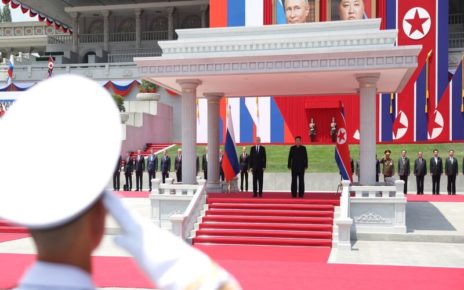
North Korea and Russia: A Growing Military Alliance with Global Implications
Posted on Author Alexander Morrow
As Russia and North Korea deepen their military alliance, the threat spans from Kyiv to the Korean Peninsula. To meet this global challenge, NATO and South Korea must strengthen defence ties and industrial cooperation.
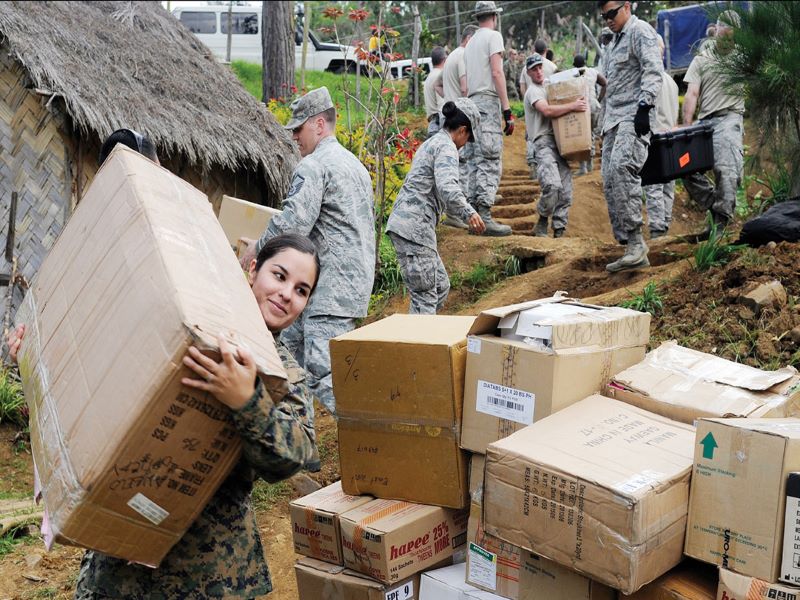
Reforming Development Aid
Posted on Author Dan Poliwoda
In this article, Dan Poliwoda reviews the inefficacy of current development aid programming schemes, and discusses how they can be reformed. Dan argues that development aid should be predicated on adopting market-oriented reforms that promote market competition and developing countries’ engagement in global trade.