The NAOC’s Cyber Security and Emerging Threats Program features an in-depth analysis of latest trends, developments, and threats in international security. New security concerns are always on the horizon and our program seeks to examine these domains including global warming, natural resources, drones, urban conflicts, and cyberspace.
The program’s mandate is to keep Canadians informed on these rapidly developing and increasingly pivotal realms that are integral to all aspects of security.
What many had assumed was just posturing has now gained momentum and could become a reality sooner than expected. How the plan for an American Space Force came about and what it could mean for international security is explored in this article by Program Editor Amaliah Reiskind.
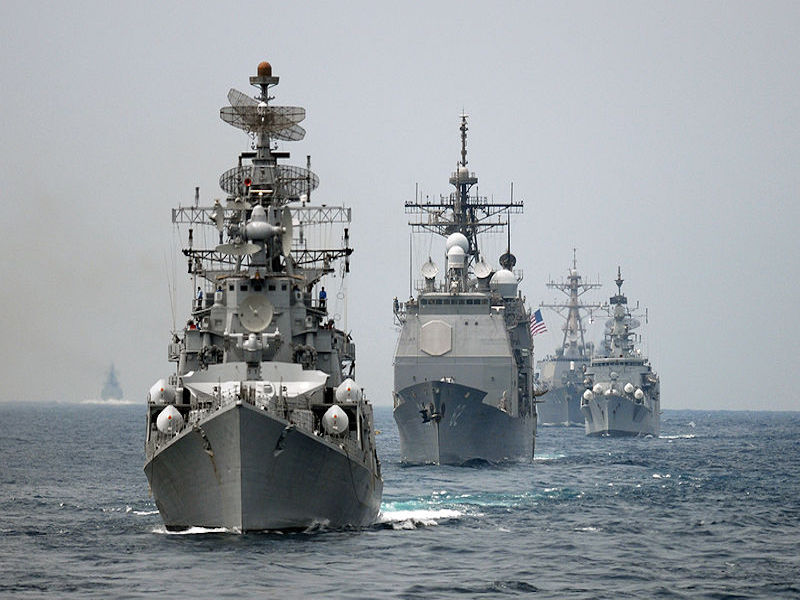
Whereas the Pacific Ocean is a bipolar power structure between the Chinese on one end, and the US and its allies on the other, the Indian Ocean has become an unpredictable multipolar military playground that could have innumerable consequences.
The world may never agree on chemical weapons attacks. Buzz Lanthier-Rogers explains why that cannot, and does not, stop us from acting.
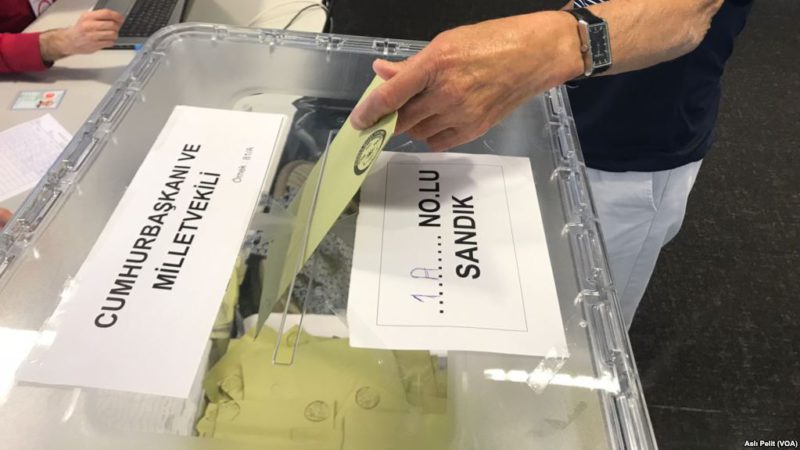
Maria Pepelassis discusses the role of expats and control of elections in the re-election of President Erdogan that effectively cemented his powers as an autocrat.
Junior Research Fellow Ramesh Balakrishnan explores ways small states can make up for their limited cyber security investment capabilities while still developing an effective cyber security strategy.
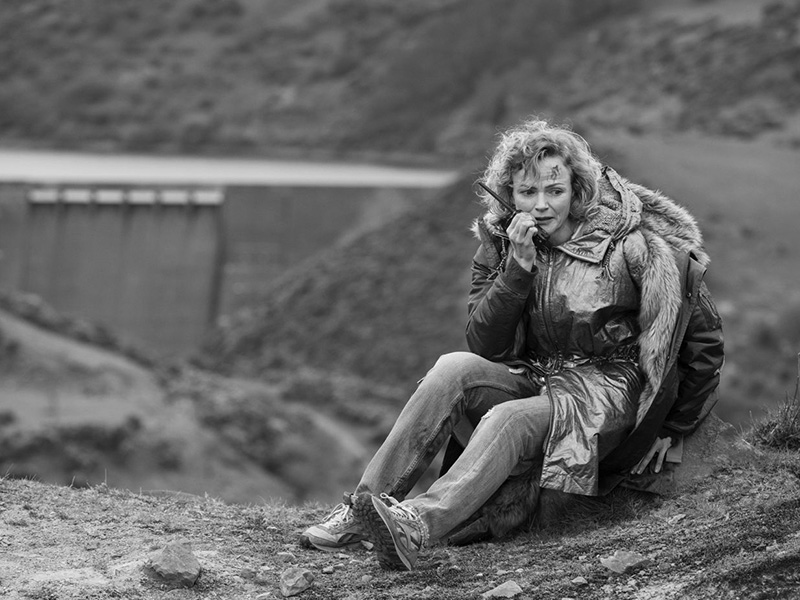
Black Mirror is an anthology series that explores the relationship between humanity and technology. Each episode takes us to a near-future world that often demonstrates the disturbing potential of today’s innovations. Season four includes the episode “Metalhead,” in which our anxieties regarding intelligent, autonomous drones is examined.
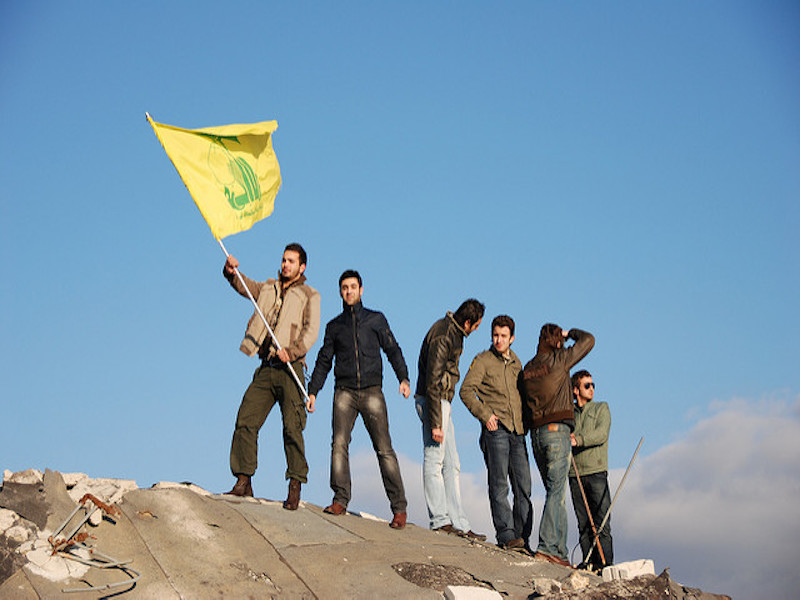
From a local southern Lebanese guerrilla force to a huge regional player, Hezbollah has made many friends and foes. It’s implications for the Lebanese state, to states where similar replica are now emerging, the militia force has come to represent a rising theme and issue in the Middle East: the militia and it’s parallel state.
In his latest article, McCartney Lee discusses the ongoing civil war in Yemen, and how the conflict is shaping up to become the most devastating humanitarian crisis of 2018.
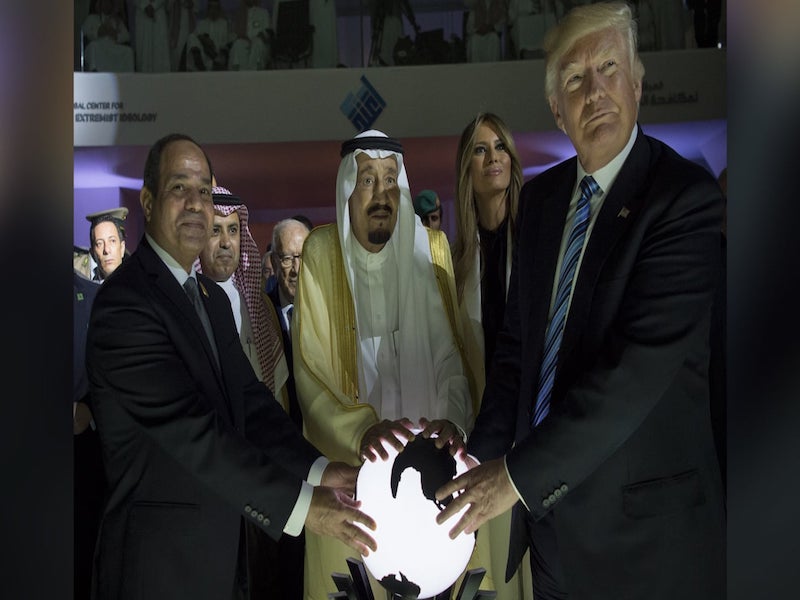
The future of the Middle East and the secret to ensuring a truly balanced power structure does not occur by simply breaking up the region into spheres of influence, or by turning it into a zero-sum game.
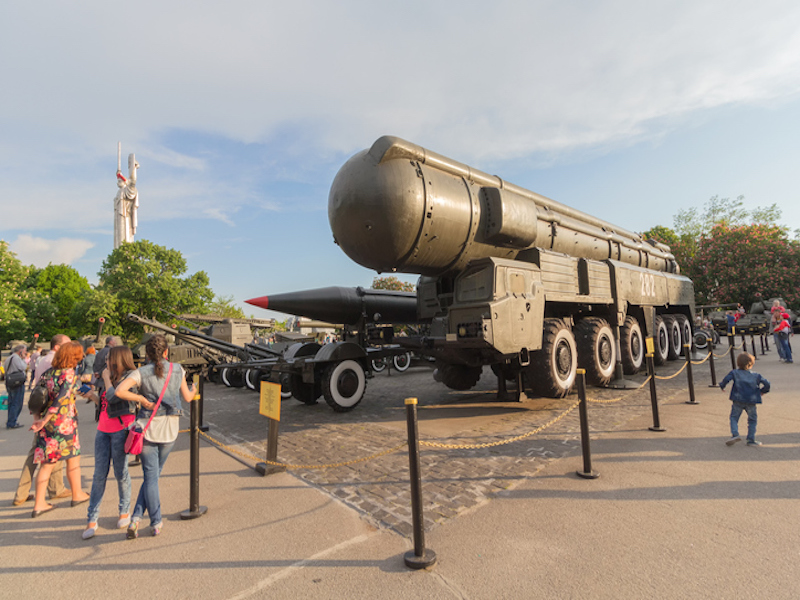
This is the second of a two-part series analyzing the impact of the changing theatre missile landscape and the INF Treaty. The first part considered the future of the INF Treaty on transatlantic relations. Part II looks at Russian perspectives on the treaty.