placeholder for programs

Melani Veveçka Society, Culture, and Security

Special Report – Rural Exclusion and Right-Wing Politics: A Comparative Study of Germany and Canada

To understand the political realities of Canada and Germany today, one must begin with a map. In both countries, polarization takes shape not just in rhetoric but in the growing distance between city skylines and rural streets.  Politics has been reorganized by a new geography of power, with cities now concentrating population, investment, and cultural Read More…

India Indo-Pacific and NATO Maritime Security

A Model for NATO Engagement in South Asia: Why Working with India Makes Sense for Britain

What lessons can NATO members learn from the United Kingdom and India’s growing strategic partnership? In this article, Angus MacKellar discusses how London has strengthened its relationship with New Delhi whilst avoiding broader geopolitical commitments in an increasingly fractious South Asian security environment, underlining how India’s position and interests make flexible NATO engagement both feasible and valuable.

China China Indo-Pacific and NATO Maritime Security Uncategorized

Illuminating the Grey Zone: How NATO can help shape the Indo-Pacific’s Pre-Conflict Terrain

What role can NATO play in addressing grey zone coercion in the Indo-Pacific? In this article, Joel Sawyer explores how the Alliance can strengthen regional pre-conflict deterrence and preparedness to reduce the effectiveness of coercive grey zone operations, actions, and activities. 

NATO and Canada

On the Ground and in the Air: Canada’s Defining Role in NATO’s Military Healthcare

In this article, Sanam Singh argues that NATO’s medical system anchors every mission with Canada’s leadership enhancing its strength on the ground and in the air. The piece shows how Canada’s expertise positions NATO to confront the growing threat of cyberattacks targeting military healthcare.

NATO and Canada

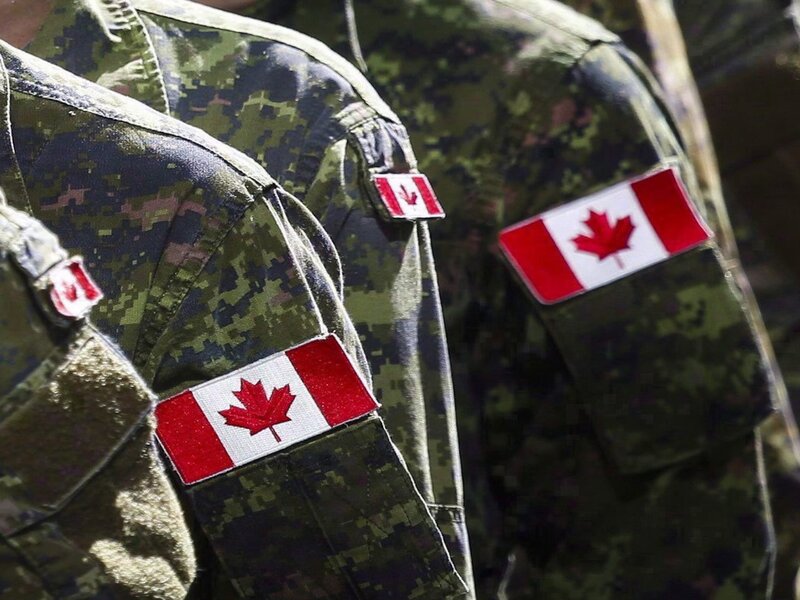
Deterring and Proving Commitment: Canada and Task Force Latvia

Eight years after the start of Canada’s mission to Latvia, Ottawa continues to increase its commitment to the NATO multinational formation. Arguably, this is the most important component of Canada’s defence policy and a key part of the country’s foreign policy. The enhanced forward presence brigade led by Canada is one of several formations which serve to deter Russian aggression. These ‘tripwire forces’ aim to ensure that in the event of a Russian attack, many member states would be involved, guaranteeing a general response from the alliance. Beyond this, Canada’s leadership serves as a strong example of the country’s value to the alliance and reassures allies that they would not be abandoned in the event of war.

Security, Trade and the Economy

Trusted site readiness: Canada’s edge in a shifting global FDI landscape

Foreign Direct Investment (FDI), defined as an investment where a person or company from one country acquires 10% or more of the voting shares, or equivalent ownership of a business enterprise in another country, is central to Canada’s long-term competitiveness. Trusted, high-quality FDI strengthens economic resilience by anchoring supply chains, transferring technology, and building local Read More…

Environment, Climate Change, and Security

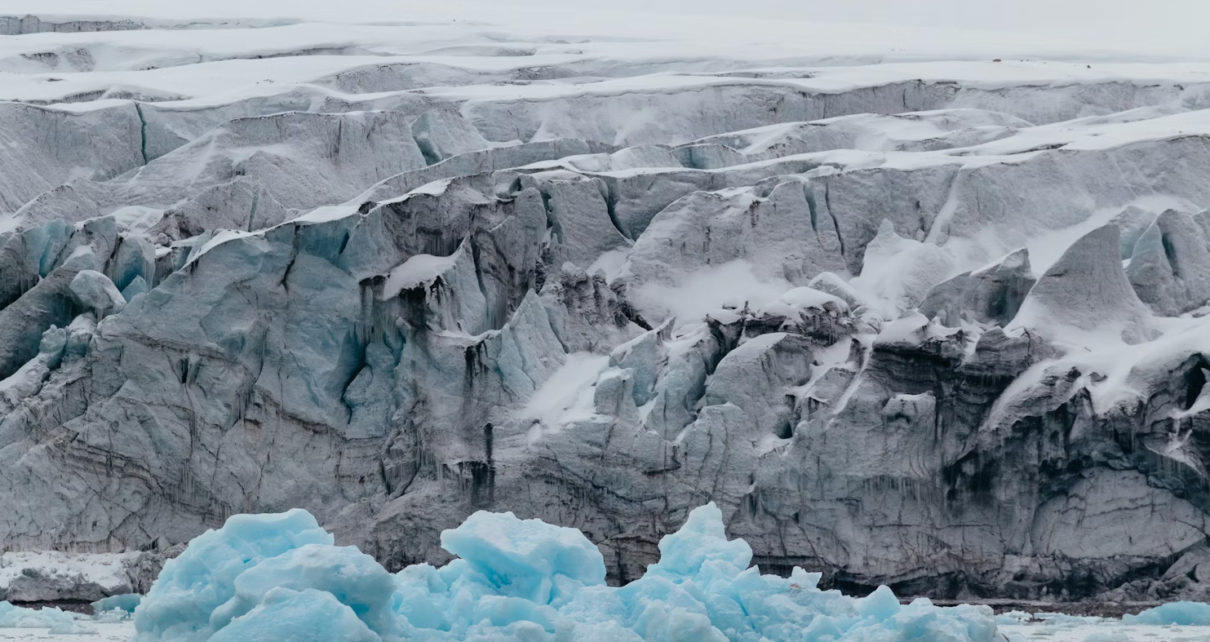
POWER PLAY IN THE ARCTIC: Part 4 – A New Partnership Model for Sovereignty in the High North

*This is the fourth instalment of a six-part series. Canada faces a number of challenges beyond those experienced by the Canadian Armed Forces that have further contributed to its inability to project sovereignty and security into the Canadian Arctic. These challenges have included: low Arctic population density, vast uninhabited areas, small remote settlements, and significant Read More…

Centre For Disinformation Studies

What We Do Not Account For When Legislating Against Disinformation

In recent years, there have been increased calls for the Canadian government to introduce legislation against disinformation. Tighter laws have been requested in an attempt to reduce the digital flow of deliberately false information in Canadian political discourse around controversies like vaccines, especially during elections. For one, in 2022, Canada’s chief electoral officer Stéphane Perrault Read More…

Centre For Disinformation Studies

Disinformation and Public Health in the Post-Pandemic Era: What COVID-19 Taught Canada and NATO About Resilience

The COVID-19 global pandemic was both a public-health crisis and a catalyst for an infodemic: the flood of misinformation and disinformation that spread as rapidly, if not more rapidly, than the virus itself. A systematic review by the World Health Organization (WHO) found that this infodemic undermined compliance with health measures, fragmented social cohesion, and Read More…

Dr Robert M Cutler Energy Security

Uzbekistan’s Role in European Energy Security Is Changing

Uzbekistan’s significance for European energy security has grown, and there is every indication that it will grow further. For most of the post-Soviet period, and especially under President Islam Karimov from independence in 1991 until his death in 2016, its energy sector was run as a tightly controlled extension of the old Soviet system, which Read More…