Society, Culture, and Security

La violence sexuelle : une arme de guerre oubliée de la sécurité internationale

En temps de guerre, certaines formes de violence s’imposent immédiatement à l’attention : bombardements, combats de rue ou destructions d’infrastructures. D’autres formes de violence, pourtant comparables en termes d’impact social et politique, demeurent structurellement sous-intégrées aux cadres d’analyse sécuritaire. C’est le cas de la violence sexuelle, largement documentée dans de multiples conflits contemporains. Cette violence Read More…

Morgan Singer Women in Security

The Parity Imperative: Why Women’s Political Representation is Imperative to NATO’s Peace and Security Agenda

Women’s political representation is an integral condition for achieving durable peace, however, progress toward parity has begun stalling recent years. This article examines the mechanisms through which women’s substantive political representation produces positive outcomes for NATO’s peace and security agenda. The NATO Alliance must cultivate a political order where women lead, not only as a gender equity imperative but as a peace imperative, as women’s leadership presents the surest defence against adversaries seeking to destabilize the Alliance.

Canadian Armed Forces Jasmine Doobay-Joseph

Canada’s C7 and C8 Transition in the Context of NATO Modernization

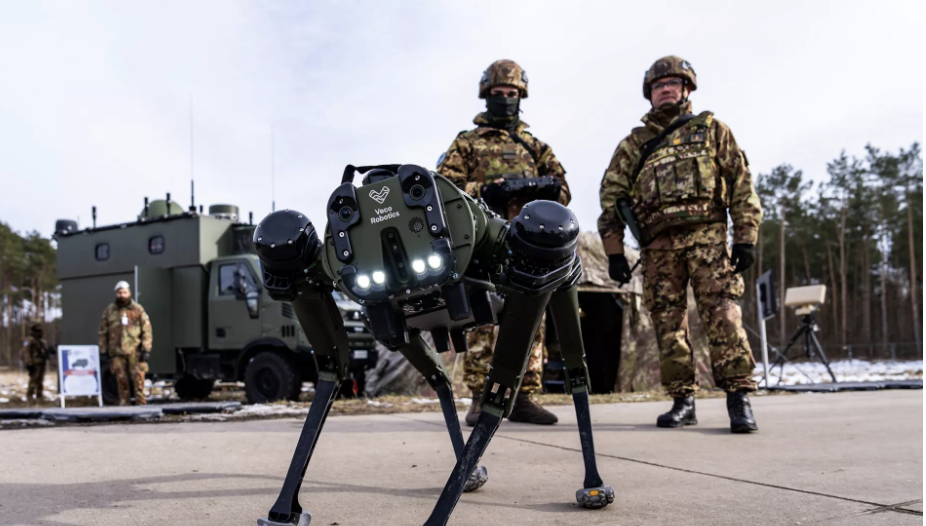
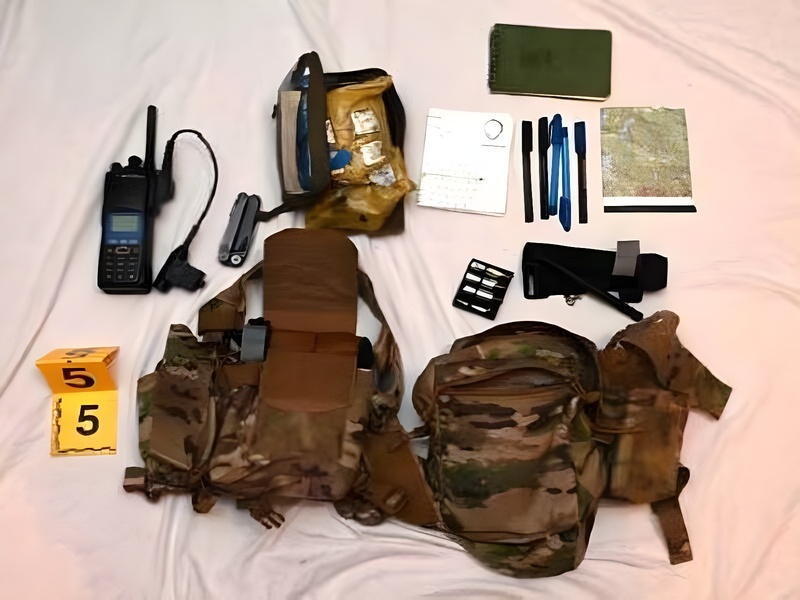
This article examines Canada’s decision to replace the Canadian Armed Forces’ C7 and C8 rifles alongside similar service rifle modernization efforts in France, Denmark, and the United Kingdom. It examines that the replacement is not driven by age alone, but by the need for greater adaptability, compatibility with modern accessories, and continued effectiveness across different operational settings. Rather than pointing to a single NATO-wide process, these cases reflect a broader pattern among several allies seeking to update the equipment carried by frontline personnel. Together, they show that service rifle replacement has implications not only for readiness, but also for interoperability, training, maintenance, and longer-term defence planning.

Security, Trade and the Economy Uncategorized

Canada’s Dual Exposure to the Strait of Hormuz

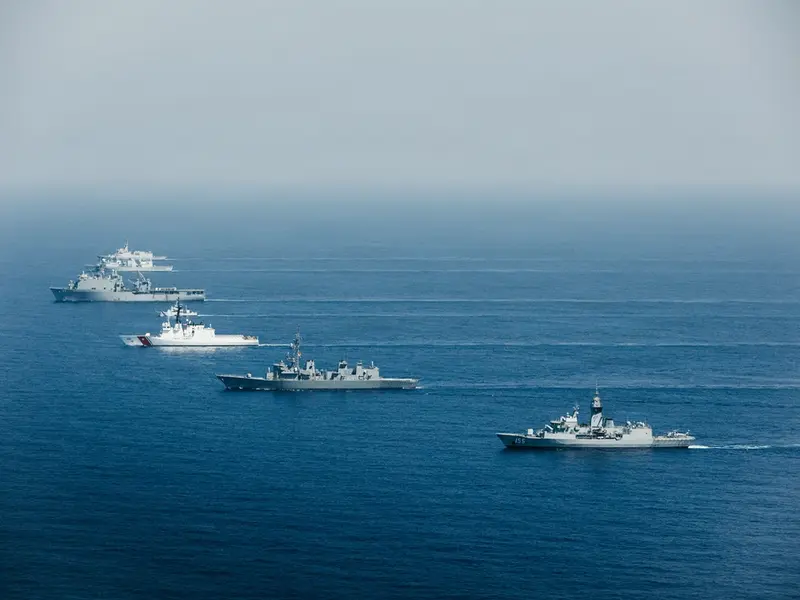
The Strait of Hormuz is barely 30 miles wide at its narrowest point, yet it is arguably one of the most consequential stretches of water on earth. Through this narrow corridor connecting the Persian Gulf to the Gulf of Oman flows approximately 20 million barrels of oil per day (b/d); roughly 20% of global petroleum Read More…

Indo-Pacific and NATO

What’s Next for Canada and Carney’s ‘Variable Geometry’ Strategy in the Indo-Pacific?

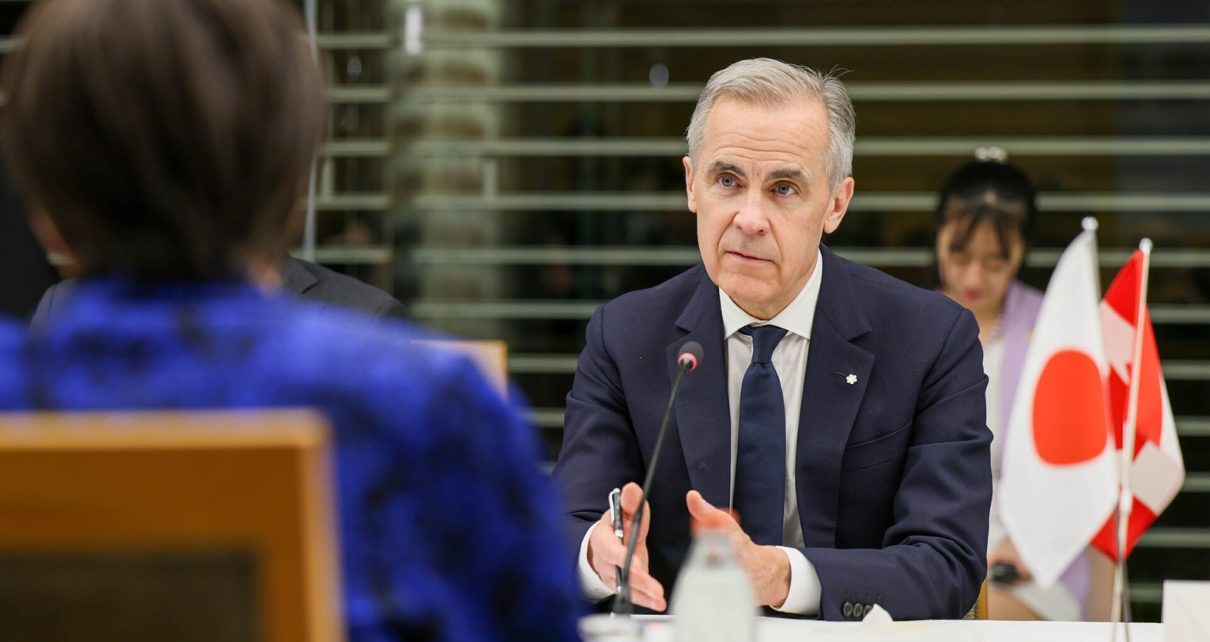
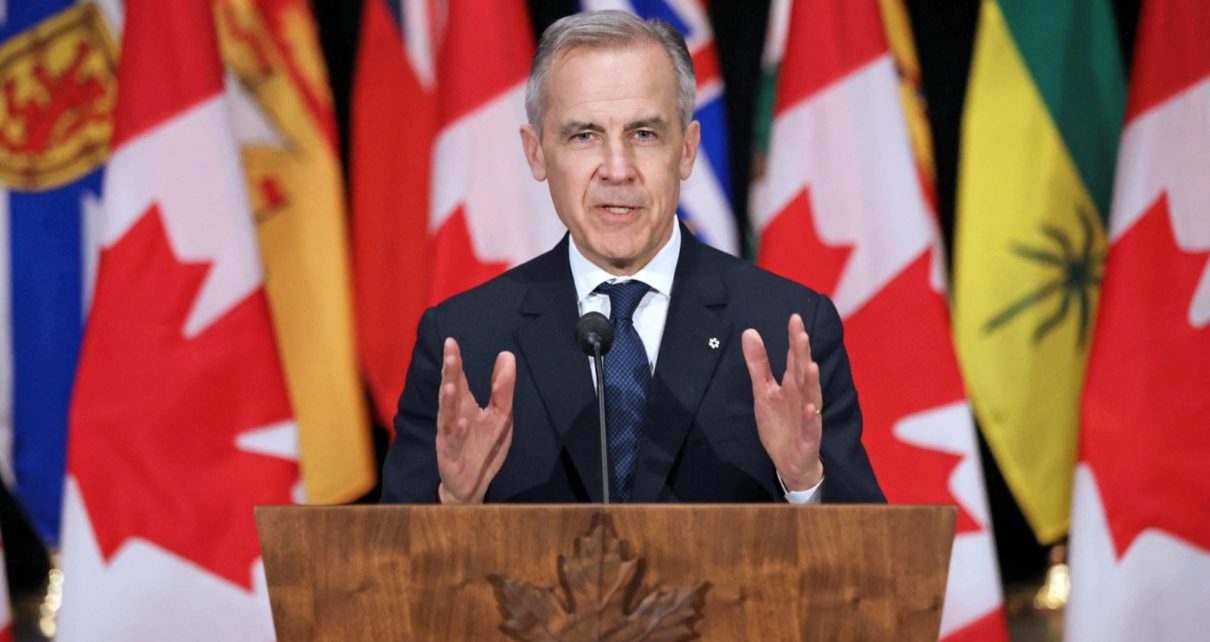
What is Mark Carney’s ‘variable geometry’ strategy, and does it differ significantly from previous concepts of Canadian foreign policy? In this piece, Joel Sawyer (Indo-Pacific and NATO Junior Research Fellow) analyzes continuity and change in Canada’s Indo-Pacific engagement across the current decade, what variable geometry offers, and the challenge posed by worsening global economic conditions.

Indo-Pacific and NATO

Canada’s Indo-Pacific Turn: What Carney’s Tour Signals for the Future of Canadian Partnerships 

In his latest piece, Narayan Srivistava argues that Carney’s Indo-Pacific tour was a deliberate push to diversify Canada’s partnerships, improve ties with both developing and developed countries in Asia, and integrate Canada more securely inside the economic and geopolitical networks shaping the region’s future.

Society, Culture, and Security

Au-delà des armes : la fragilisation des systèmes de santé comme stratégie de guerre et de coercion

Dans les conflits armés contemporains, la violence ne se limite plus aux affrontements militairesdirects, mais s’étend à des leviers indirects visant à affaiblir la résilience des sociétés civiles. Elles’étend désormais aux infrastructures civiles essentielles, et en particulier aux systèmes de santé,qui sont de plus en plus pris pour cibles de manière délibérée. Pourquoi la destruction Read More…

Security, Trade and the Economy

Caught between Allies and Autonomy: What the F-35 vs Gripen Dilemma means for Canada’s Defence and Security

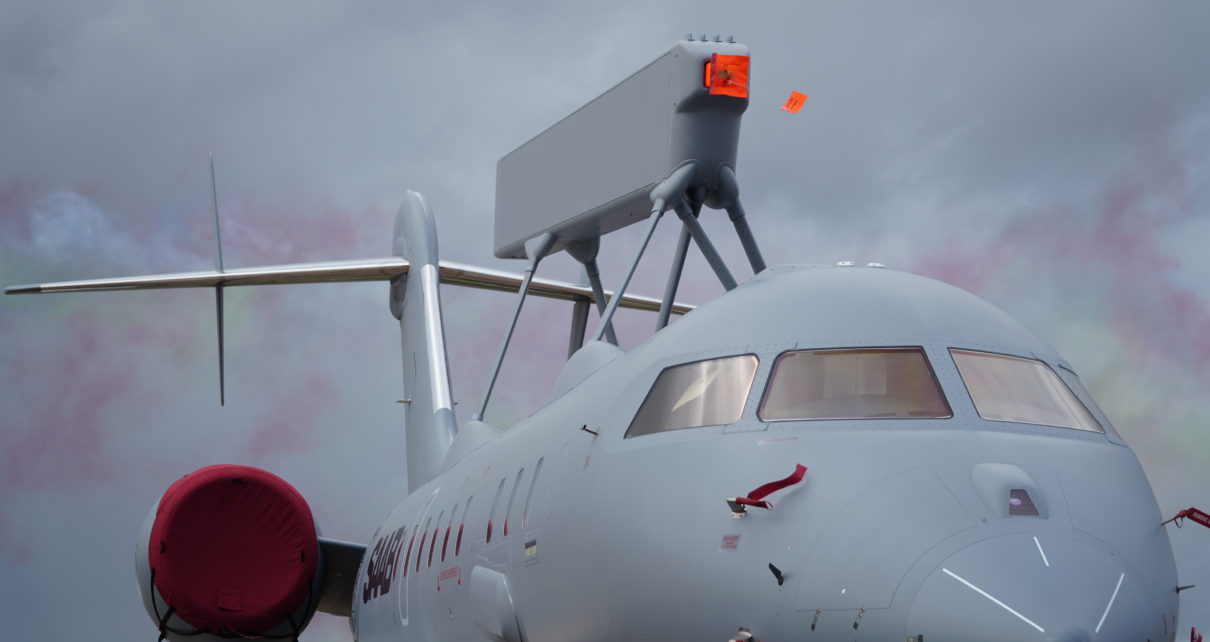
Canada’s decision to replace its aging CF-18 fleet has taken on new geopolitical weight. Initially committed to procuring 88 F-35s, Ottawa began reconsidering further orders in 2025 amid deteriorating US-Canada relations, turning its attention to Sweden’s Gripen as an alternative. This article evaluates the two programs across four dimensions: homeland defence, alliance interoperability, industrial sovereignty, and combat performance. It finds that while the F-35 offers superior stealth and NATO integration, the Gripen presents compelling advantages in Arctic operability, cost efficiency, and supply chain independence. Ultimately, the right choice depends on whether Canada prioritizes allied commitments or long-term defence autonomy.

Security, Trade and the Economy

Europe’s Rearmament and the Question of Allied Market Access

As the European Union moves to a more structured defence-industrial strategy, its new programmes are beginning to shape who gets financed to produce what, and on what terms. Canada has secured rare, privileged access to this emerging system through SAFE, but access alone does not guarantee durable industrial relevance. Are Canada, and allies, able to be meaningfully included?