Indo-Pacific and NATO

What’s Next for Canada and Carney’s ‘Variable Geometry’ Strategy in the Indo-Pacific?

What is Mark Carney’s ‘variable geometry’ strategy, and does it differ significantly from previous concepts of Canadian foreign policy? In this piece, Joel Sawyer (Indo-Pacific and NATO Junior Research Fellow) analyzes continuity and change in Canada’s Indo-Pacific engagement across the current decade, what variable geometry offers, and the challenge posed by worsening global economic conditions.

Indo-Pacific and NATO

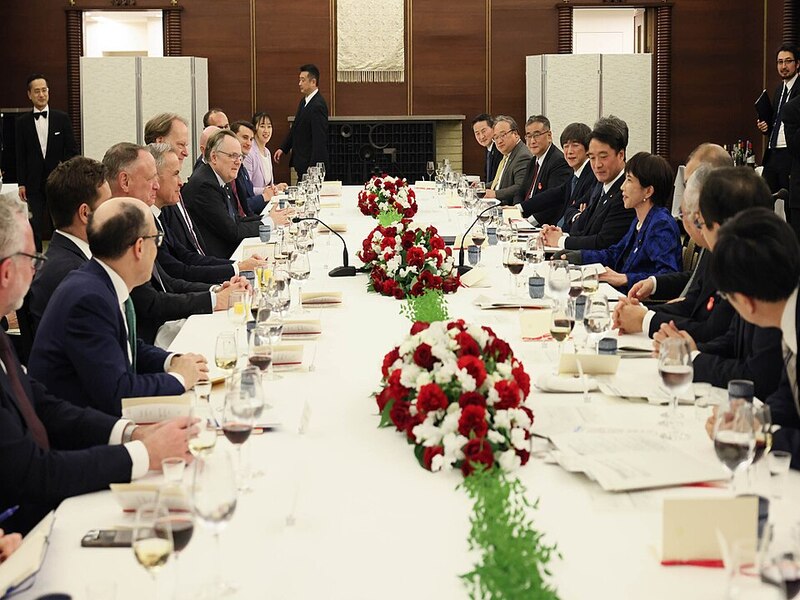
Canada’s Indo-Pacific Turn: What Carney’s Tour Signals for the Future of Canadian Partnerships 

In his latest piece, Narayan Srivistava argues that Carney’s Indo-Pacific tour was a deliberate push to diversify Canada’s partnerships, improve ties with both developing and developed countries in Asia, and integrate Canada more securely inside the economic and geopolitical networks shaping the region’s future.

Indo-Pacific and NATO

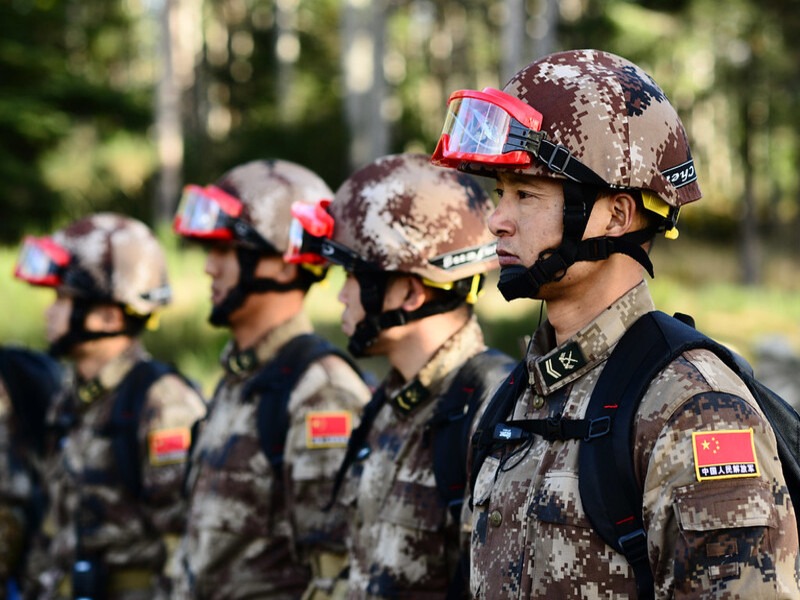
After the Lull: Why Renewed Chinese Military Pressure on Taiwan Matters

How should NATO respond to growing strategic links between the Taiwan Strait and the Euro-Atlantic theatre? In this article, Nguyen Bao Han Tran examines China’s calibrated military pressure on Taiwan and argues that NATO must prepare for the indirect consequences of a Taiwan contingency, from defence-industrial strain to cross-regional deterrence challenges.

Indo-Pacific and NATO

Avoiding Escalation Pitfalls: Australia and NATO 

What does the Australia-NATO partnership mean in the current moment of geopolitical flux? In this piece, junior research fellow Joel Sawyer examines the strategic histories driving Australia-NATO alignment, the potential hazards of deepening military cooperation, and how to move the relationship forward. 

Indo-Pacific and NATO

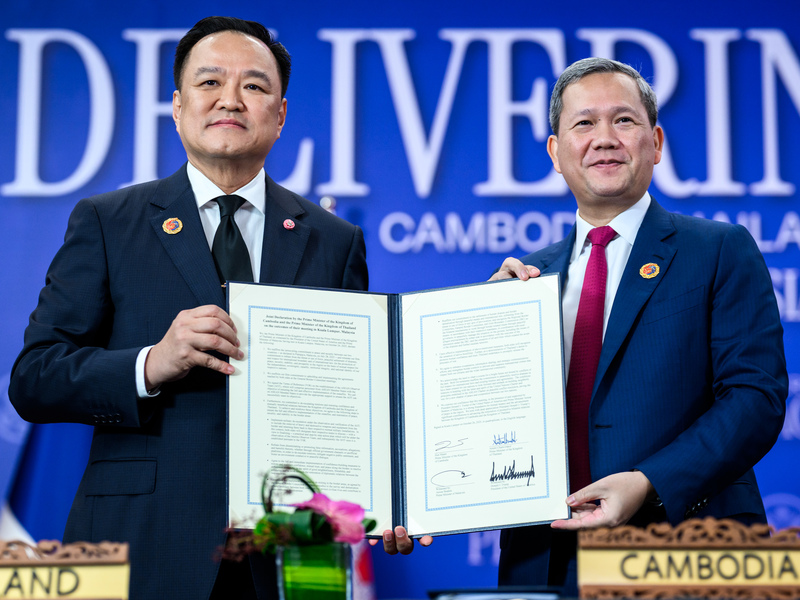
Border Flashpoints: What NATO Can Learn from the Thailand–Cambodia Crisis

The 2025 Thailand–Cambodia border crisis demonstrates how unresolved territorial disputes can quickly escalate when historical grievances, domestic political pressures, and weak conflict-management mechanisms converge. Nguyen Bao Han Tran examines the structural drivers of the crisis and draws broader lessons for NATO on conflict prevention, monitoring, regional diplomacy, and post-conflict stabilization.

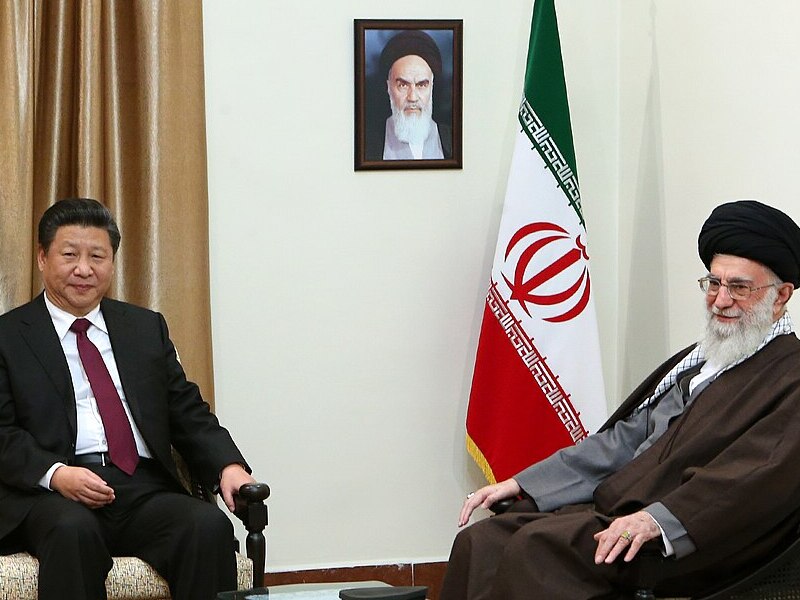
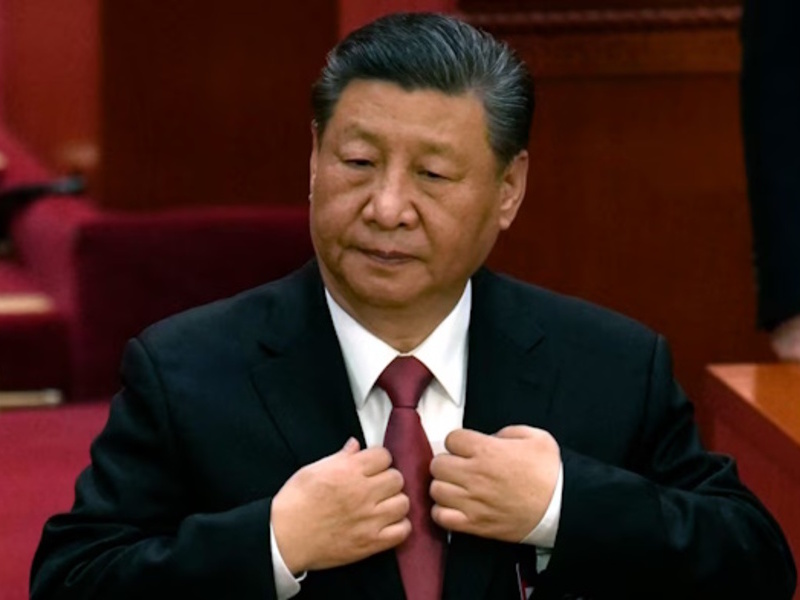
Xi Jinping 02, credit: Trong Khiem Nguyen
Indo-Pacific and NATO

Hedging with the Dragon: Mark Carney’s China Visit and Canada’s Search for Strategic Autonomy 

What does Mark Carney’s decision to re-engage China signal about Canada’s strategic options in a more coercive global economy? Tasneem Gedi argues that Ottawa’s limited recalibration with Beijing reflects an unavoidable strategy of hedging amid U.S. unpredictability. While such engagement may expand Canada’s room for maneuver in an increasingly coercive global economy, it carries risks and thus must be pursued narrowly, conditionally and in close alignment with Canada’s alliance commitments.  

Indo-Pacific and NATO

What’s at Stake for Canada in the Indo-Pacific?

At the World Economic Forum in Davos in 2026, Prime Minister Mark Carney expressly cited Canada’s pension system as a worldwide benchmark. He highlighted how the durability of these funds originates from disciplined diversification, patient capital, and the ability to absorb shocks that destabilize other institutions. Canada’s public pension schemes are frequently referred to as Read More…

Indo-Pacific and NATO

Rupture and Fury: Can Canada Build a ‘Counter-Power’ Model of Cooperation in a World Reordered? 

What future is there for the ‘middle powers’ in a global order increasingly defined by unilateralism and revisionism? In this article, Joel Sawyer examines Canada’s role in building a new ‘counter-power’ network to define a new model of international cooperation

Indo-Pacific and NATO Maritime Security Peace & Security Security

Coalitions of the Willing: Minilateralism and Maritime Security in the Indo-Pacific 

Why is minilateralism viewed as the normative security model by states in the Indo-Pacific? What challenges can multilateralism face within the region, and how can minilateralism circumvent them? In this article, Karissa Cruz highlights why the postcolonial context from which much of the region emerged can create limits for NATO-style security cooperation, and why minilateralism has emerged as the primary framework. 

China Indo-Pacific and NATO Japan

The New Japan: Navigating Nationalist Politics and its Global Implications 

Narayan Srivastava examines Japan’s sharp rightward turn and what it means for NATO and Indo-Pacific stability. As Japan’s long-standing political restraint gives way to nationalism and strategic assertiveness, Tokyo is reshaping regional deterrence, alliance politics, and debates over democracy and security. This article explores how a more polarized Japan strengthens collective defence while also introducing new risks of escalation in international security raising questions for NATO partners and Canada as they navigate an increasingly volatile Indo-Pacific order.