Hassan Ahmed writes on energy policy, international trade, and regulatory governance, focusing on how legal and institutional frameworks shape market dynamics, infrastructure resiliency, and transnational cooperation—particularly within NATO and the broader transatlantic context.
He holds a J.D. from the University of Alberta Faculty of Law, where he specialized in administrative and regulatory law, and a B.A. in Philosophy and Political Science from the University of Calgary.
As economic security becomes increasingly central to international policymaking, trade law is being reshaped by sanctions, export controls, and other security-based economic measures. In this article, Hassan Ahmed examines how the WTO’s national security exception has evolved from a narrow safeguard into a more routine justification for strategic economic action, and how allied states increasingly coordinate such measures through informal alignment rather than unified legal frameworks. Using examples ranging from semiconductor export controls to sanctions coordination following Russia’s invasion of Ukraine, the article explores the growing intersection of trade law, strategic competition, and alliance politics, including the implications for middle powers such as Canada.
For much of the post-Cold War period, the relationship between economic policy and security policy within the transatlantic alliance was treated as complementary but distinct. Markets were expected to allocate resources, organize production, and deliver efficiency. Security institutions, by contrast, were expected to deter adversaries, manage military risk, and respond to external threats. That division Read More…
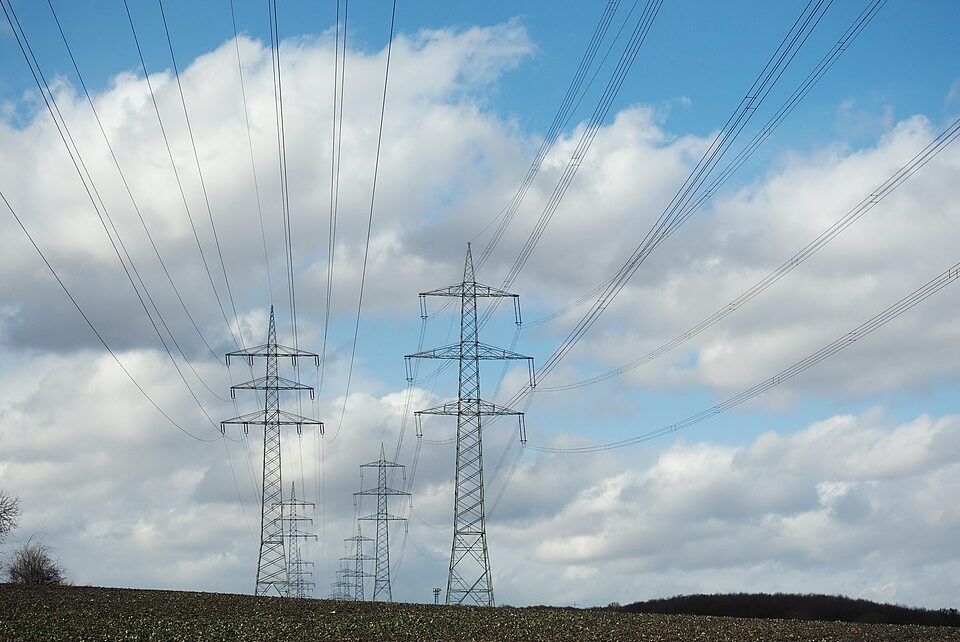
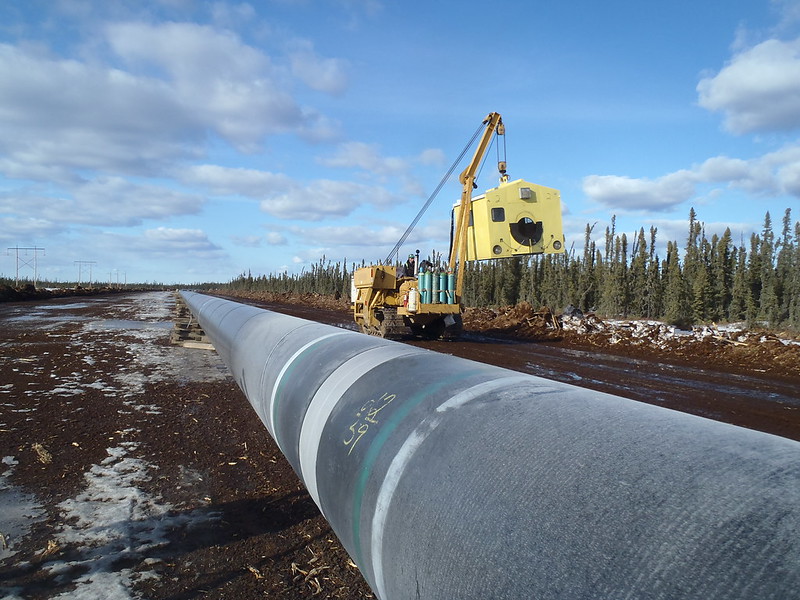
Energy security debates often focus on supply: who produces energy, who transports it, and who depends on whom. This framing has centered on the nexus between physical assets and trade flows—pipelines, terminals, generation capacity, and shipping routes. Increasingly, however, strategic vulnerability is shaped less by the location of infrastructure than by who controls it and Read More…
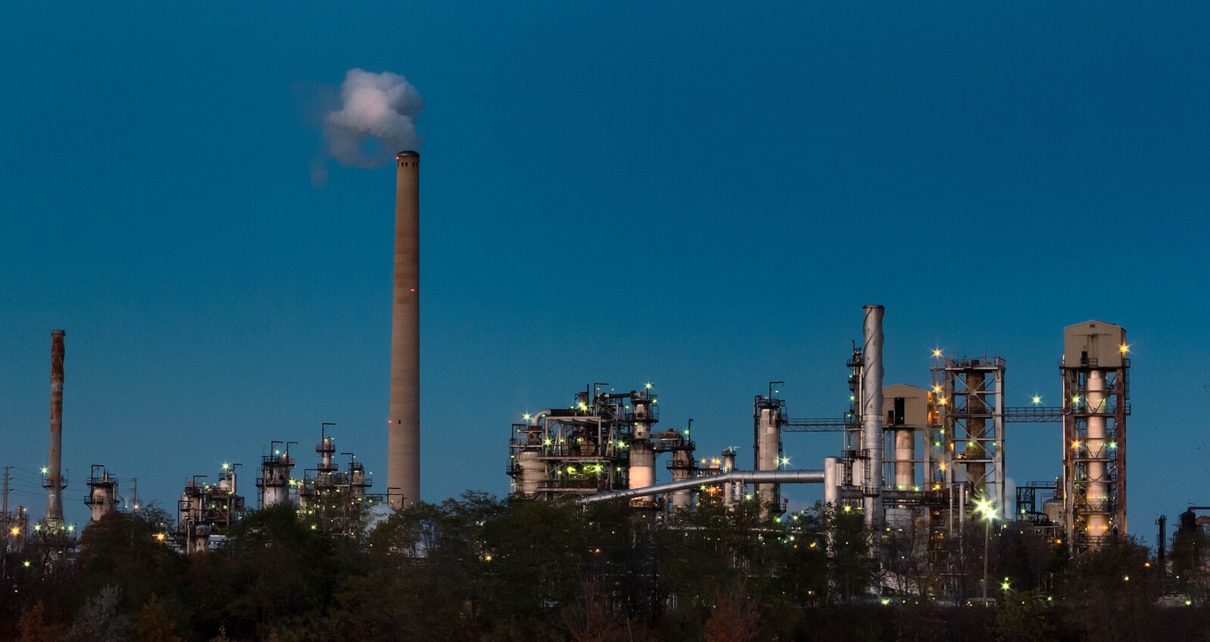
Foreign Investment, Market Structure, and NATO Economic Security Russia’s invasion of Ukraine marked a turning point in how NATO understands economic security. The immediate response was necessarily focused on energy: securing supply, diversifying imports, and hardening critical infrastructure against disruption. These efforts were essential. They reflected a growing recognition that dependence on hostile or unreliable Read More…
Introduction The 2022 Russian invasion of Ukraine has forced NATO to acknowledge the weaponization of energy. Electric grid coercion, gas cut-offs and cyber-intrusions into critical energy infrastructure and pipeline flow manipulation all represent core structural vulnerabilities of the European security architecture. NATO has responded by moving energy security from the periphery of its security planning Read More…