A list of authors, past and present
Critical minerals are growing crucial to NATO’s defence-industrial capacity, but the governance of their extraction has largely omitted gender sensitive considerations. This article argues that as NATO intensifies efforts to secure defence-critical mineral supply chains, leveraging its Women, Peace and Security (WPS) Agenda can help develop a gender-responsive governing framework. Drawing on Canada’s emerging critical minerals framework, this article discusses the legal safeguards and inclusive governance that can strengthen supply chain resilience while embedding gender considerations. This way, NATO members can enhance both strategic mineral security and its commitments to sustainable peace and security in tandem with gender equality.
With increasing geopolitical challenges and polarized public discourse, the WPS agenda faces a reluctant political environment. As a crucial element of lasting peacebuilding,
NATO must build resilience in its WPS agenda by planning multilateral initiatives for today’s political context.
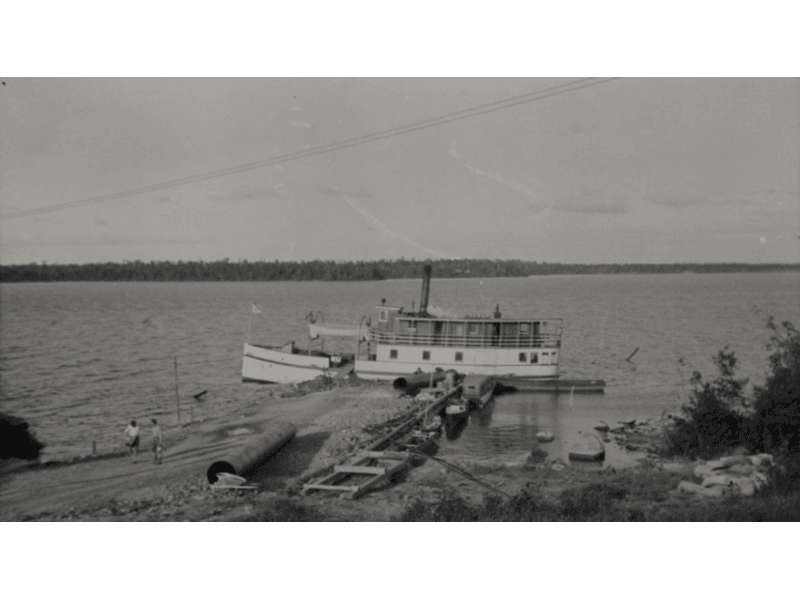
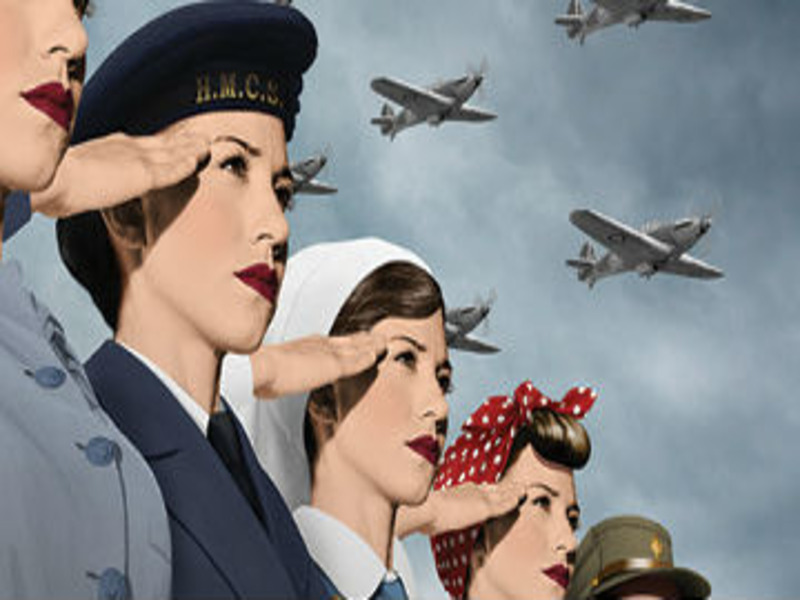
Historically, the mobilization of hundreds of Caribbean women into vital Allied logistics and technical roles proved that non-traditional networks are indispensable during global crises. Today, as NATO adapts to a shifting security landscape, the Alliance can draw directly from the legacy of these wartime networks to modernize its recruitment strategies and structural resilience.
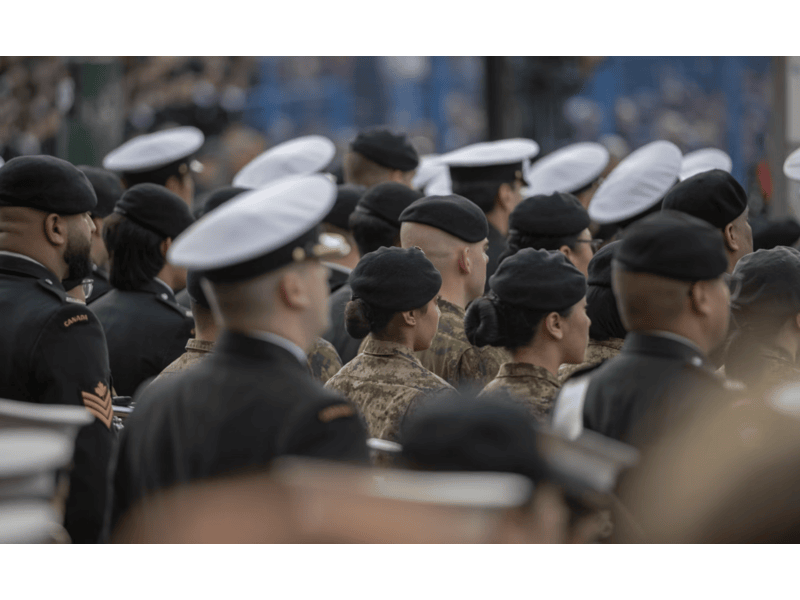
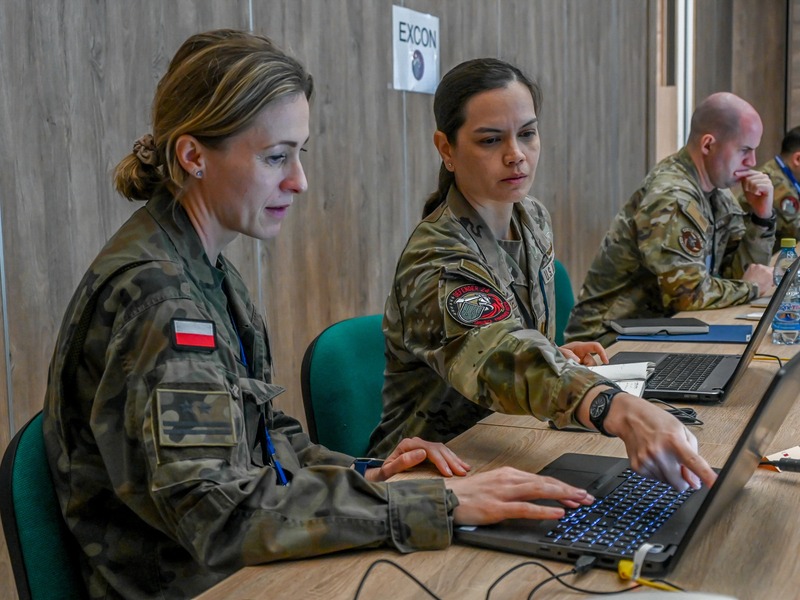
Canada and France are amongst NATO’s leading countries in advancing gender parity. With their Armed Forces compromising between 16-17% of women actively serving in the military. Despite these achievements both countries continue to face significant challenges with recruitment and retention specifically amongst women with strong backgrounds in STEM and cybersecurity. The underrepresentation of women in defence and cybersecurity presents a critical challenge to long term defence readiness and resilience.
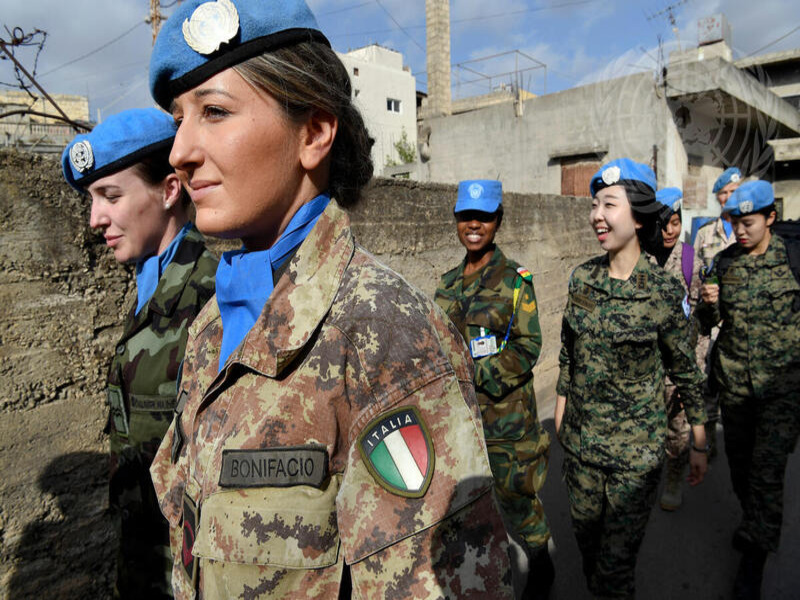
With the U.S. rollback of the Pentagon’s Women, Peace, and Security program, the global WPS agenda appears to be at a crossroads. In the context of increasing geopolitical volatility, peacebuilding initiatives such as WPS must be at the forefront of NATO’s operational goals. Canada’s National Action Plan offers a leading example of how states can reinforce the global WPS agenda through comprehensive national policy.
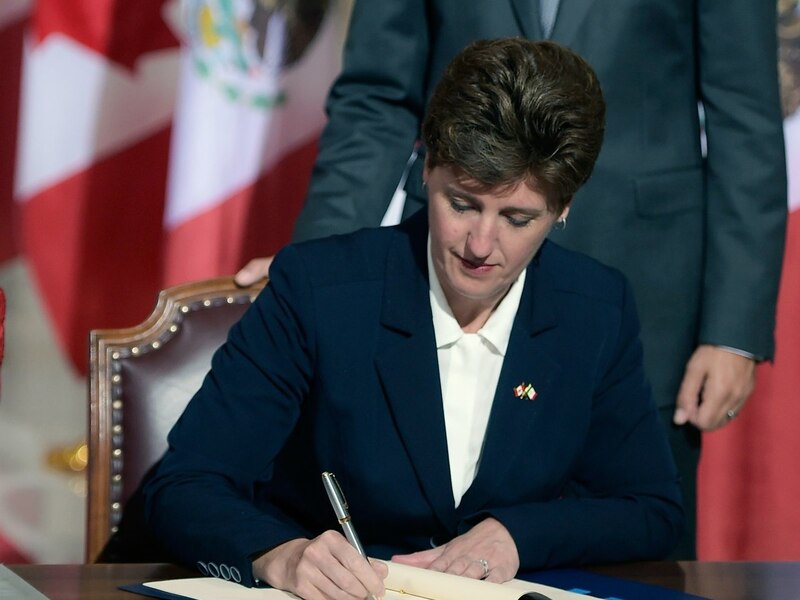
Canada’s new plan to name a new Women, Peace and Security (WPS) ambassador is a positive signal, considering WPS and Feminist Foreign Policy (FFP) have historically been a reflection of Canadian values, as champions of peace and multilateral cooperation. Isabelle Zhu argues that Canada’s current “middle power” strategy would allow it to move forward as the new champion of FFPs and WPS, enhancing its position within the Alliance and on the international stage.
The transition toward drone warfare is transforming the frontline. Drawing on Ukraine’s experience, this article explores how remote warfare challenges conventional standards for combat effectiveness. These transformations create new opportunities and threats; the necessity for precision, composure, and critical thinking bolsters women’s greater capacity to perform as impressive drone operators. Alternatively, gendered stereotypes and psychological challenges persist. This article outlines pathways through which NATO can integrate gender perspectives into the deployment of uncrewed systems in order to optimize the integration of combat innovation.
Isabelle Zhu argues that NATO DIANA can serve as a key platform to uplift women in STEM. By providing opportunities to connect women across the Alliance with the private and public sectors, government, and academia, DIANA has the potential to advance women’s involvement and participation in these fields.
Women’s political representation is an integral condition for achieving durable peace, however, progress toward parity has begun stalling recent years. This article examines the mechanisms through which women’s substantive political representation produces positive outcomes for NATO’s peace and security agenda. The NATO Alliance must cultivate a political order where women lead, not only as a gender equity imperative but as a peace imperative, as women’s leadership presents the surest defence against adversaries seeking to destabilize the Alliance.
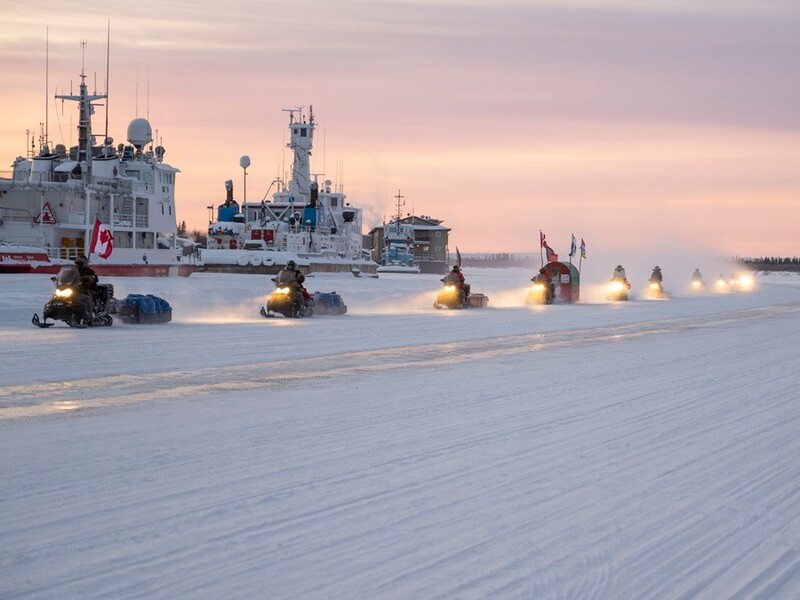
As Arctic security becomes increasingly central to Canada’s defence strategy and the broader priorities of NATO, women and notably Indigenous women, retain imperative roles in deploying Canada’s northern security strategy. Integrating women’s leadership into Arctic defence planning is critical to ensuring that Canada’s northern security strategy is both operationally effective and socially sound. This article aims to highlight key women currently contributing to Canada’s Arctic strategy, as well as illuminate the broader gendered implications of resilience in the North.