Critical minerals are growing crucial to NATO’s defence-industrial capacity, but the governance of their extraction has largely omitted gender sensitive considerations. This article argues that as NATO intensifies efforts to secure defence-critical mineral supply chains, leveraging its Women, Peace and Security (WPS) Agenda can help develop a gender-responsive governing framework. Drawing on Canada’s emerging critical minerals framework, this article discusses the legal safeguards and inclusive governance that can strengthen supply chain resilience while embedding gender considerations. This way, NATO members can enhance both strategic mineral security and its commitments to sustainable peace and security in tandem with gender equality.
Morgan Singer
The Future of the Frontline: Embedding Gender in the Transition to Drone Warfare
The transition toward drone warfare is transforming the frontline. Drawing on Ukraine’s experience, this article explores how remote warfare challenges conventional standards for combat effectiveness. These transformations create new opportunities and threats; the necessity for precision, composure, and critical thinking bolsters women’s greater capacity to perform as impressive drone operators. Alternatively, gendered stereotypes and psychological challenges persist. This article outlines pathways through which NATO can integrate gender perspectives into the deployment of uncrewed systems in order to optimize the integration of combat innovation.
The Parity Imperative: Why Women’s Political Representation is Imperative to NATO’s Peace and Security Agenda
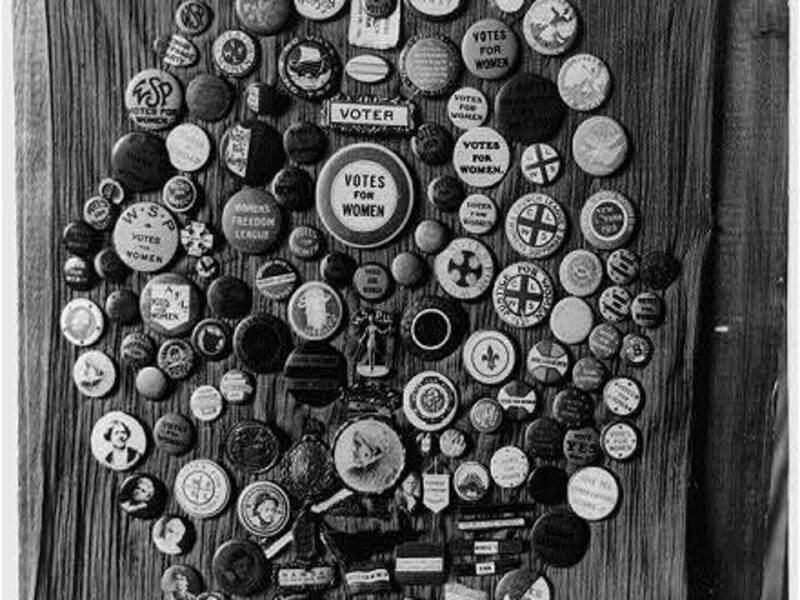
Women’s political representation is an integral condition for achieving durable peace, however, progress toward parity has begun stalling recent years. This article examines the mechanisms through which women’s substantive political representation produces positive outcomes for NATO’s peace and security agenda. The NATO Alliance must cultivate a political order where women lead, not only as a gender equity imperative but as a peace imperative, as women’s leadership presents the surest defence against adversaries seeking to destabilize the Alliance.
Women on the Northern Front: Canadian Women Leading Arctic Resilience
As Arctic security becomes increasingly central to Canada’s defence strategy and the broader priorities of NATO, women and notably Indigenous women, retain imperative roles in deploying Canada’s northern security strategy. Integrating women’s leadership into Arctic defence planning is critical to ensuring that Canada’s northern security strategy is both operationally effective and socially sound. This article aims to highlight key women currently contributing to Canada’s Arctic strategy, as well as illuminate the broader gendered implications of resilience in the North.
“Building Canada Strong”: an Investigation of Opportunities for Women in Canada’s Procurement Strategy
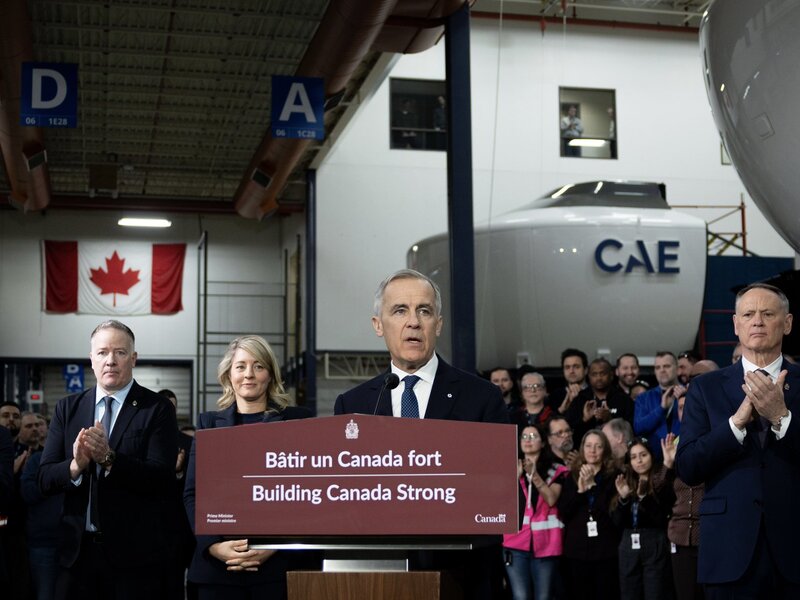
Canada’s Defence Industrial Strategy (DIS) aims to strengthen national defence posture by investing in domestic supply chains. This article explores whether the opportunities created by this expansion will produce meaningful gains for women in Canada’s defence and security industries. By examining initiatives among leading Canadian defence firms, this article assesses current efforts to promote women’s industrial participation and prescribes how the DIS can pursue gender-inclusive growth among Canada’s broader defence procurement strategy.
Operation Equal Opportunity: Canada as a Model For Women in Combat Leadership
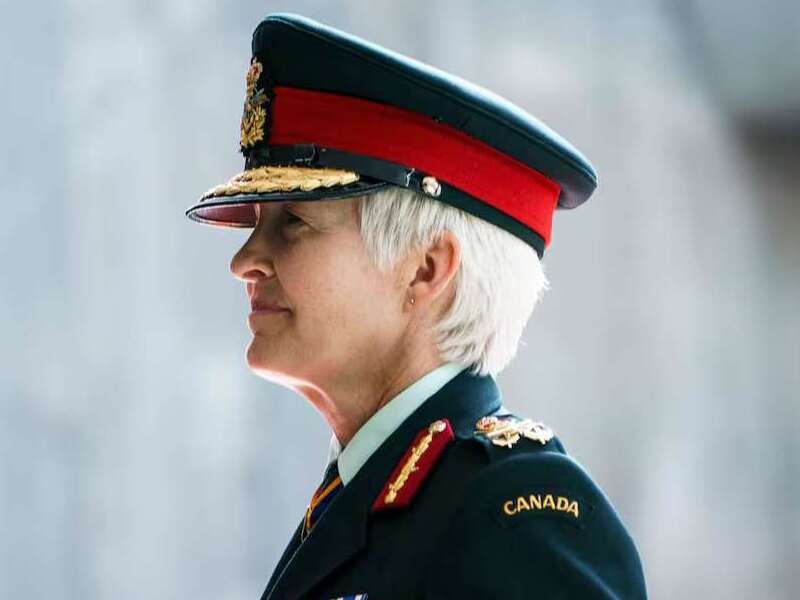
In July 2024, General Jennie Carignan became Canada’s first woman Chief of Defence Staff. This article centers her appointment as both a symbolic and institutional milestone in Canada’s effort to operationalize the Women, Peace, and Security (WPS) agenda. Tracing her leadership of the Canadian Armed Forces, the article demonstrates how offering equal access to opportunity is a prerequisite for military strength. Gen. Carignan’s leadership of the Canadian Armed Forces offers an example for NATO allies, who can similarly dismantle barriers to women’s leadership and embed inclusive military ethos. The article prescribes a series of pathways through which NATO allies can pursue institutional reform, thereby enhancing institutional quality and strengthening collective defence posture across the Alliance.