The Security, Trade and the Economy program aims to provide Canadians with relevant and accessible analysis on current international economic policies with a focus on Canadian interests and trade security. Additionally, the program examines our country’s commitment to NATO’s mandate of encouraging economic collaboration and eliminating economic conflict.
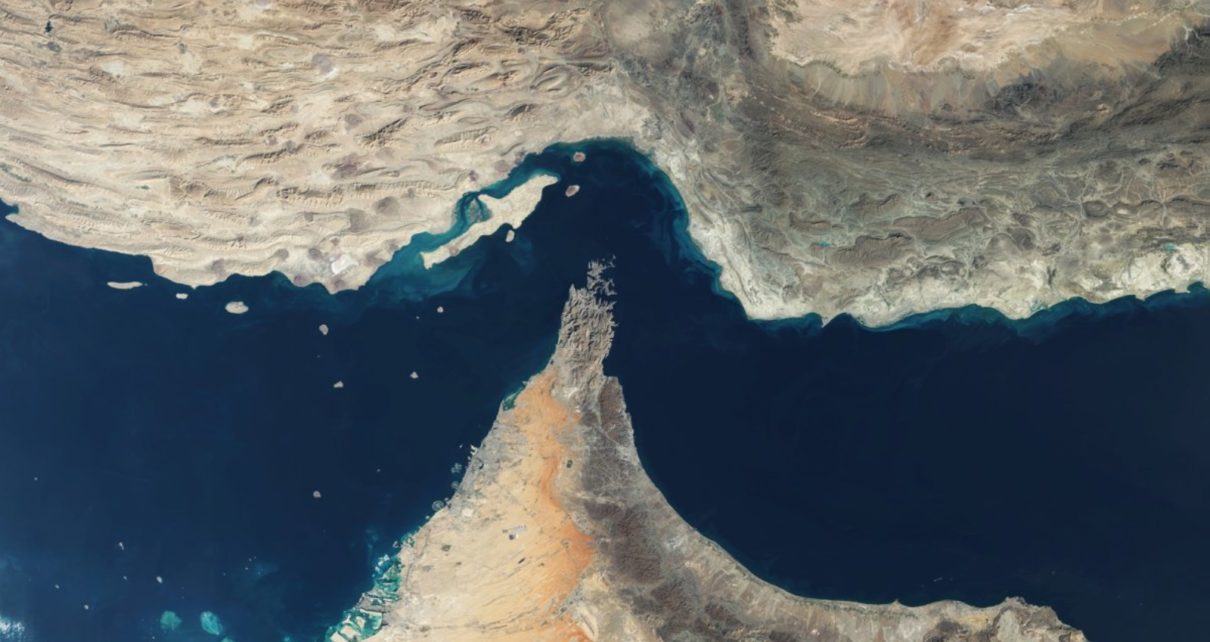
The Strait of Hormuz is barely 30 miles wide at its narrowest point, yet it is arguably one of the most consequential stretches of water on earth. Through this narrow corridor connecting the Persian Gulf to the Gulf of Oman flows approximately 20 million barrels of oil per day (b/d); roughly 20% of global petroleum Read More…
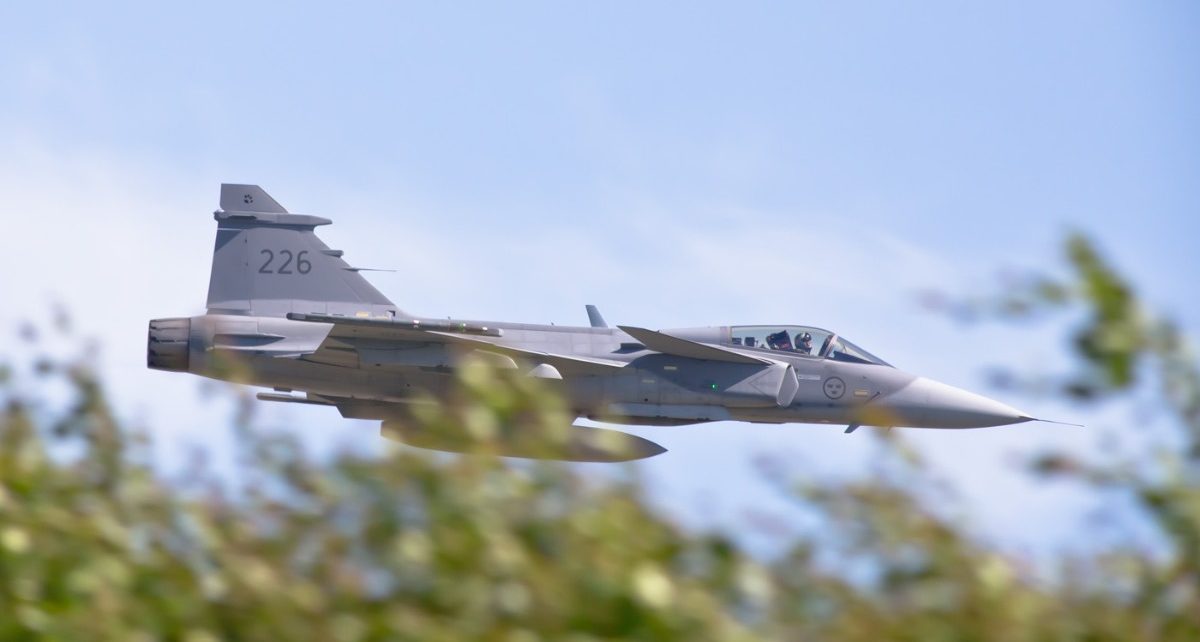
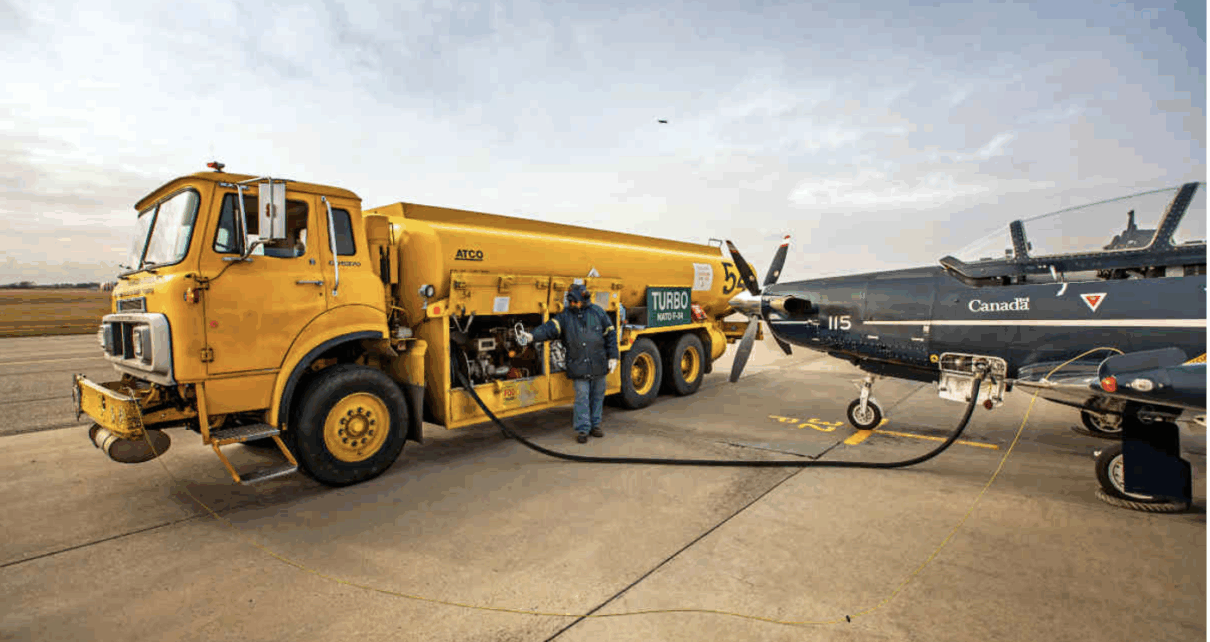
Canada’s decision to replace its aging CF-18 fleet has taken on new geopolitical weight. Initially committed to procuring 88 F-35s, Ottawa began reconsidering further orders in 2025 amid deteriorating US-Canada relations, turning its attention to Sweden’s Gripen as an alternative. This article evaluates the two programs across four dimensions: homeland defence, alliance interoperability, industrial sovereignty, and combat performance. It finds that while the F-35 offers superior stealth and NATO integration, the Gripen presents compelling advantages in Arctic operability, cost efficiency, and supply chain independence. Ultimately, the right choice depends on whether Canada prioritizes allied commitments or long-term defence autonomy.
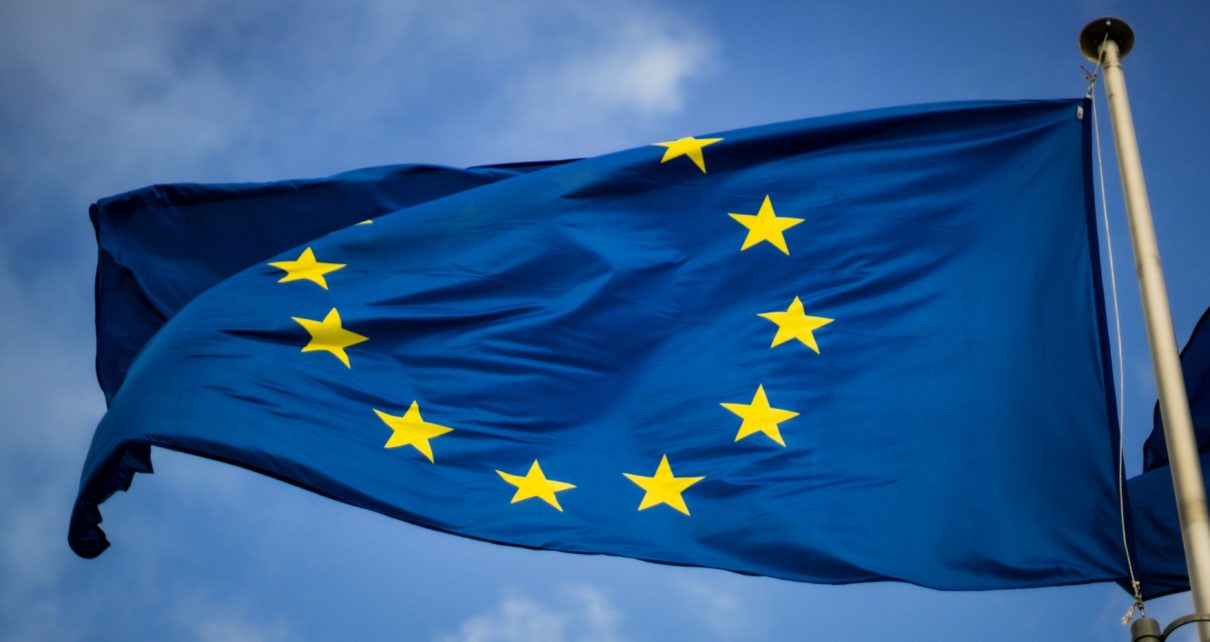
As the European Union moves to a more structured defence-industrial strategy, its new programmes are beginning to shape who gets financed to produce what, and on what terms. Canada has secured rare, privileged access to this emerging system through SAFE, but access alone does not guarantee durable industrial relevance. Are Canada, and allies, able to be meaningfully included?
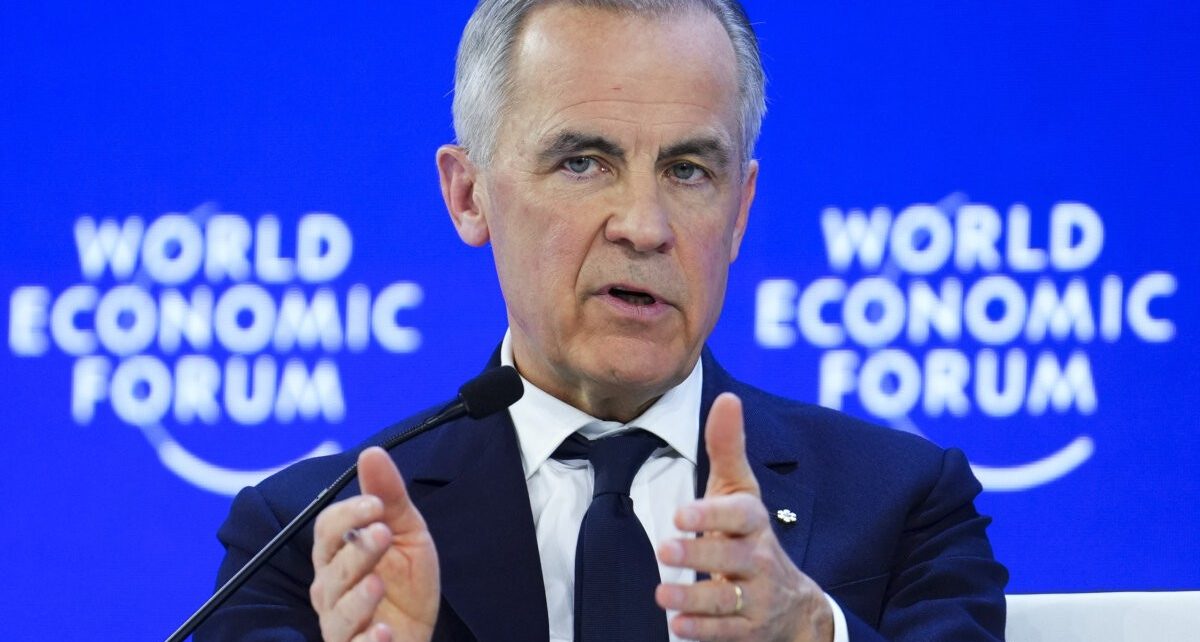
As NATO faces an era of unprecedented economic coercion between allies, can a military alliance built for tanks and treaties truly protect its members from tariffs and trade wars? In this article, Kaya Dupuis examines Canadian Prime Minister Mark Carney’s landmark speech at the World Economic Forum, arguing that Canada’s pivot toward “strategic autonomy”, leveraging energy, critical minerals and bilateral trade deals as defensive tools, exposes a fundamental gap in NATO’s mandate, one that leaves middle powers increasingly vulnerable to economic threats that Article 5 was never designed to address.
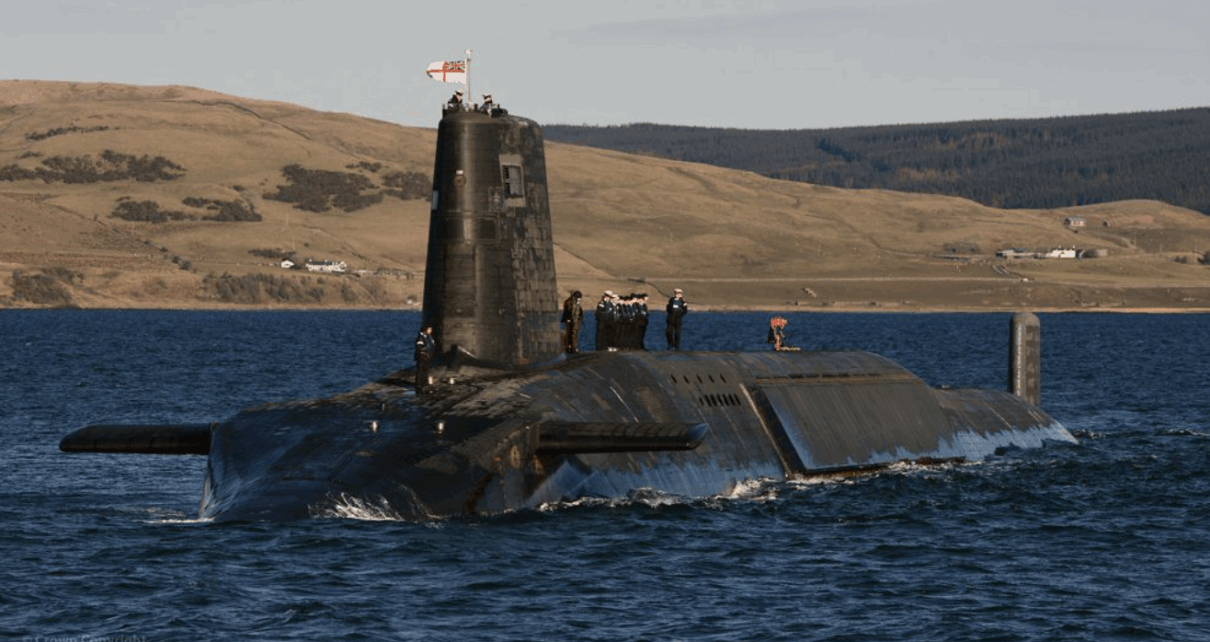
Recent shifts in US defence policy have cast doubt on the reliability of the American nuclear umbrella that Canada and NATO allies have relied on for decades. While European states explore alternative deterrence arrangements through possible nuclear sharing by France and the UK, Canada’s access to these options is limited by its geography. This article argues that Canada can address this vulnerability without compromising its non-proliferation commitments by deepening its role in NORAD. Canada’s strategic importance to North America’s Arctic defence gives Ottawa unique leverage – which it should actively use to reinforce its membership within the American extended nuclear deterrence in face of mounting global security challenges.
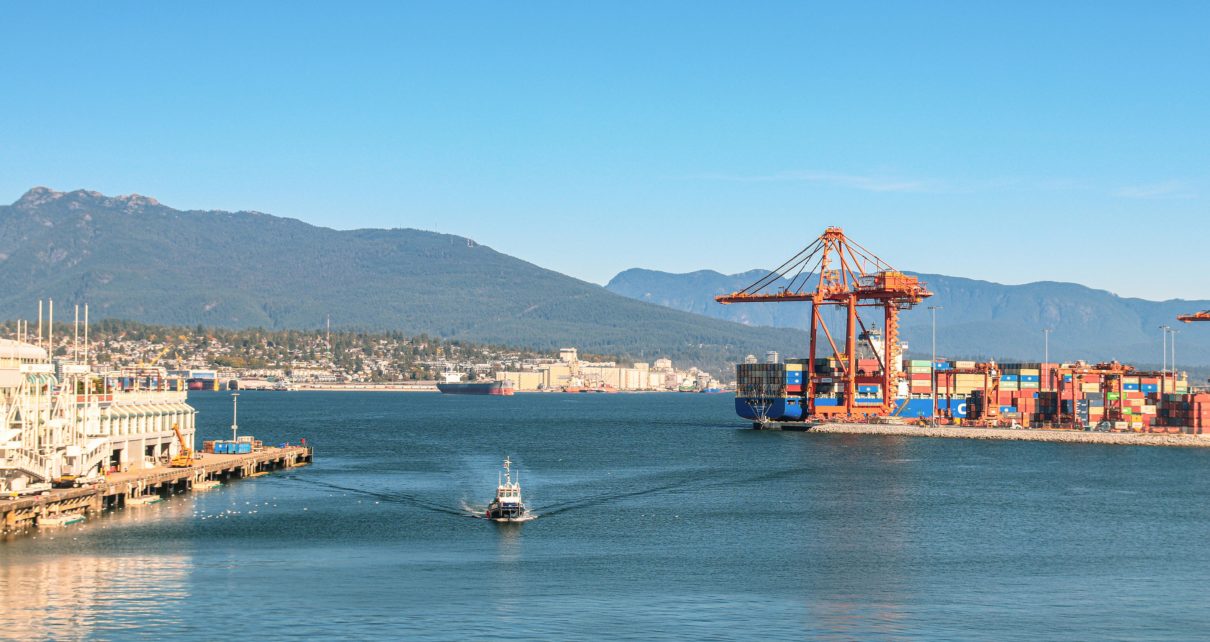
Could Canada’s new trade policy serve as a template for the rest of NATO? This article analyses Canada’s trade diversification strategy as a case study to assess its viability as a model for achieving economic security among NATO member states.
In this article, Kaya Dupuis examines how the U.S. seizure of Venezuelan oil reserves in January 2026 creates an unprecedented opportunity for Canada to reshape North American energy dynamics. Can Canada move fast enough to capitalize on Venezuela’s decade-long recovery timeline and secure its position as the continent’s energy supplier before the window closes?
Supply chain dominance is an easy path to economic coercion. As critical minerals become more vital than ever in a world of increasing tensions, securing network resilience is necessary to security. When the question of “friend or foe” can be a blurred one, allies band together to mitigate risk through policy and cooperation.
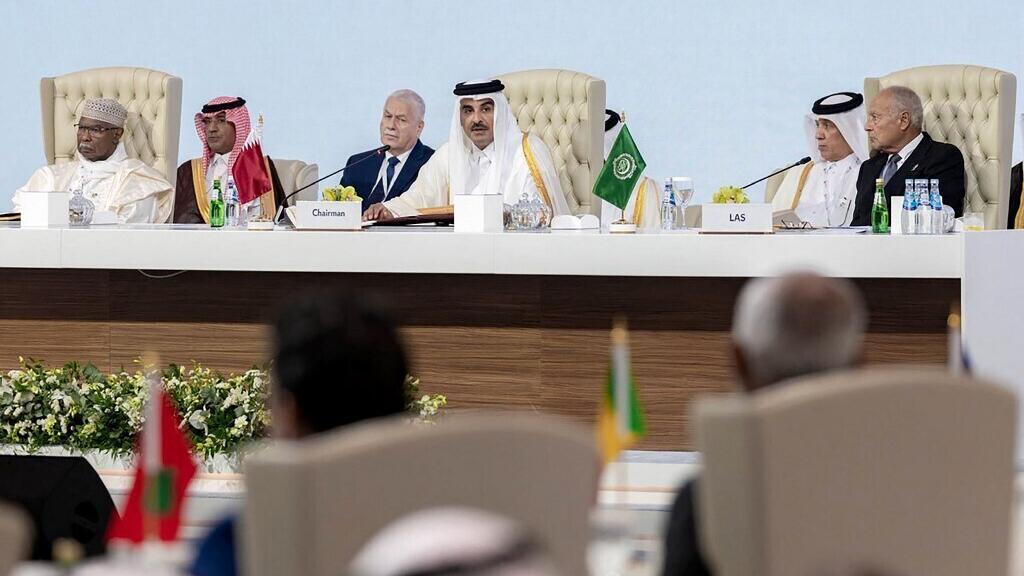
Au lendemain des frappes aériennes israéliennes contre Doha en septembre 2025, plusieurs États arabes et musulmans ont relancé l’idée d’une alliance militaire collective inspirée de l’Organisation du traité de l’Atlantique nord (OTAN). Cette proposition, parfois désignée comme « OTAN arabe » ou « OTAN islamique », vise à créer un cadre de sécurité régional fondé Read More…
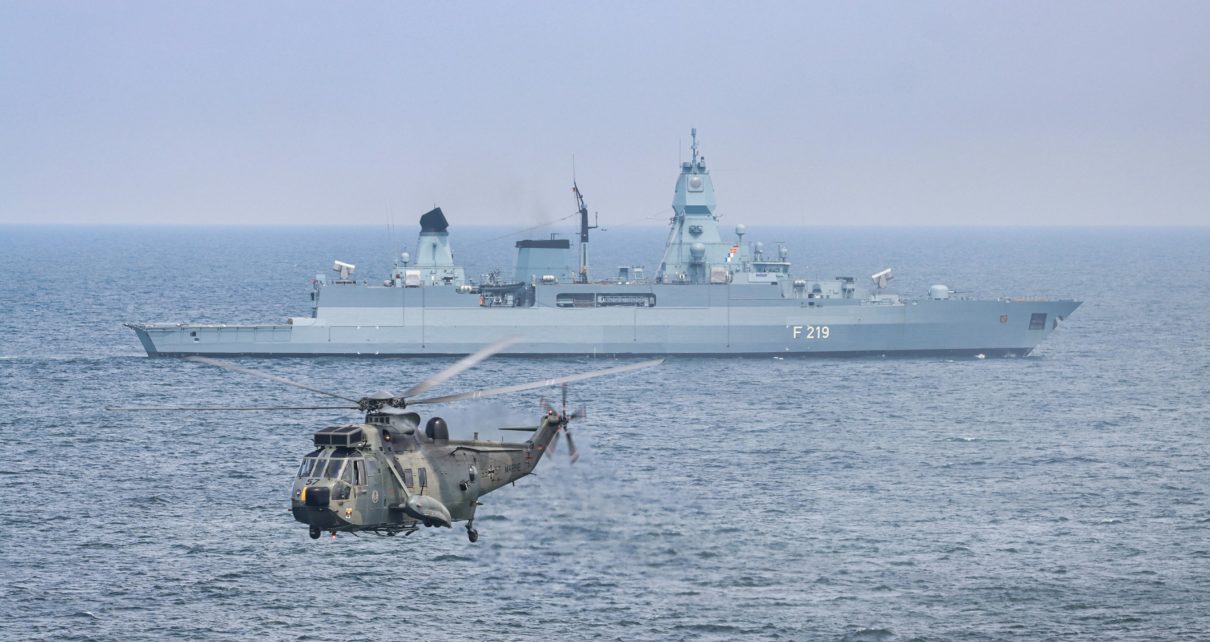
As Canada explores ways to diversify its trade partners and deepen ties with Europe, more of daily life runs across the big blue Atlantic. Being a trading nation bordered by three oceans and entwined in long supply chains, the reliability of sea lines is essential to Canadian trade vitality. Roughly 80% of world trade by volume moves by sea, which means reliability of marine trade Read More…