


NATO Association of Canada
The mission of NATO Association of Canada is to promote peace, prosperity, and security through knowledge and understanding of the importance of NATO.
We strive to educate and engage Canadians about NATO and NATO’s goal of peace, prosperity and security. NATO Association of Canada ensures that we have an informed citizenry able to contribute to discussions about Canada’s role on the world stage.
As a leading member of the Atlantic Treaty Association (ATA), NATO Association of Canada has strong and enduring ties with sister organizations in many of the alliance countries, as well as members of NATO’s “Partnership for Peace” and “Mediterranean Dialogue” programmes. The NAOC has had a leading role in the recent transformation and modernization of the ATA, and helped to create and develop the Youth Atlantic Treaty Association (YATA).
The NAOC has strong ties with the Government of Canada including Global Affairs Canada and the Department of National Defence. We are constantly working to create and maintain relationships with international organizations such as the World Bank Group, the European Bank of Reconstruction and Development, NATO Headquarters, the International Criminal Court, and other prominent international NGOs and think tanks.
Related Articles
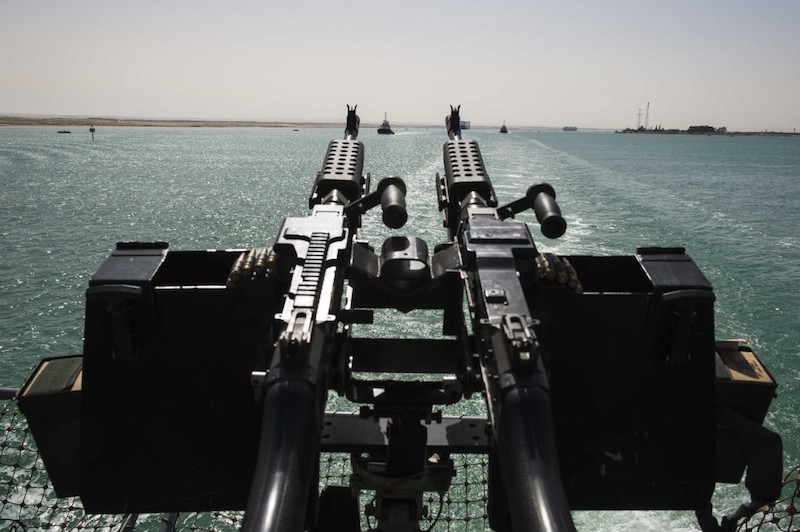
The Program Editors Weigh in on “Regions in Review”: The Eastern Mediterranean
Posted on Author NATO Association of Canada
On the Editor’s Forum, program editors at NAOC continue their case-by-case examination of different areas of the globe and identify their respective security contingencies. In this instalment, the Eastern Mediterranean is the region being reviewed.

Democracy and Disinformation, Part 2: The European Case
Posted on Author Dominique Arseneau-Bruneau
The European Union has come to treat disinformation not as a problem of false information, but as a threat to democracy itself. In this article, Dominique Arseneau-Bruneau examines how legality, legitimacy, and speed shape the EU’s response to information confrontation and what its experience reveals about the limits of democratic defence.
Finland’s NATO Debate
Posted on Author Samantha Black
Samantha Black argues that Finnish policy-makers should consider NATO’s membership more seriously.