


NATO Association of Canada
The mission of NATO Association of Canada is to promote peace, prosperity, and security through knowledge and understanding of the importance of NATO.
We strive to educate and engage Canadians about NATO and NATO’s goal of peace, prosperity and security. NATO Association of Canada ensures that we have an informed citizenry able to contribute to discussions about Canada’s role on the world stage.
As a leading member of the Atlantic Treaty Association (ATA), NATO Association of Canada has strong and enduring ties with sister organizations in many of the alliance countries, as well as members of NATO’s “Partnership for Peace” and “Mediterranean Dialogue” programmes. The NAOC has had a leading role in the recent transformation and modernization of the ATA, and helped to create and develop the Youth Atlantic Treaty Association (YATA).
The NAOC has strong ties with the Government of Canada including Global Affairs Canada and the Department of National Defence. We are constantly working to create and maintain relationships with international organizations such as the World Bank Group, the European Bank of Reconstruction and Development, NATO Headquarters, the International Criminal Court, and other prominent international NGOs and think tanks.
Related Articles
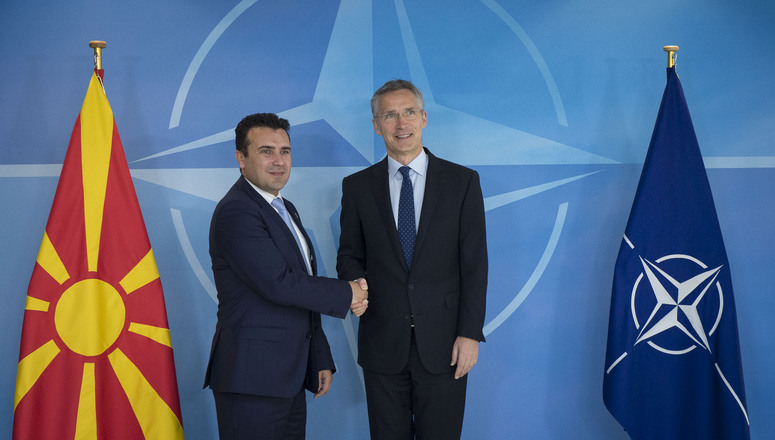
NATO Welcomes North Macedonia
Posted on Author Naz Gocek
Naz Gocek discusses the accession of North Macedonia to NATO and examines its geopolitical impacts

From Buyer to Builder: Scaling Canada’s Defence Industrial Strategy (DIS)
Posted on Author Ross Manson
Following the 2025 NATO summit in The Hague, Canada joined allies in pledging that 5% of its annual GDP by 2035 would be allocated to defence, which led to an immediate injection of capital into defence-related spending. The geopolitical reality of the day, marked by the fading of the international rules-based order, has exposed a profound capability gap. Read More…

The Sahel’s Security Imperative: How Resurgent Jihadist Violence Challenges Africa’s and the West’s Economic Potential
Posted on Author Jonah Moffatt
Terrorism is no longer at the top of NATO’s agenda. After decades of war supporting the United States in its fight against terror, the pendulum has swung back to Europe. The war in Ukraine carries very clear security implications for NATO’s European members, who are rightly concerned that the emboldenment of a victorious Russia will lead to expanded aggression. At the same time, China has become a strategic competitor with military capacities that cannot be overlooked. As the alliance seeks to defend Europe, navigate the shifting priorities of the United States, and position itself to the threat of China, terrorism has become a secondary concern.