Muskaan Waraich Women in Security

An Intersectional Lens on Meaningful Engagement, Participation, and Decision-Making Roles of Women in Combatting and Preventing Violent Extremism

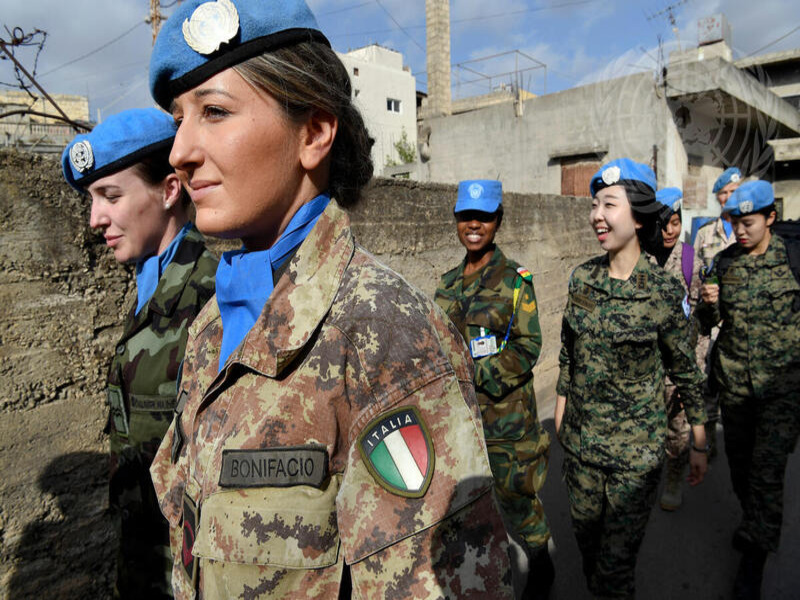
Muskaan Waraich explores how addressing violent extremism requires a multifaceted lens: physical, social, political, economic, and cultural factors that all can play a role. She examines the roles women play in extremist activities, both as victims, perpetrators, and enablers, as well as in prevention. She argues that a gender-responsive lens is essential for understanding these dynamics and for designing more effective approaches to preventing violent extremism (PVE).

Hermean Japra Women in Security

Women in Hybrid Warfare: NATO’s Next Challenge

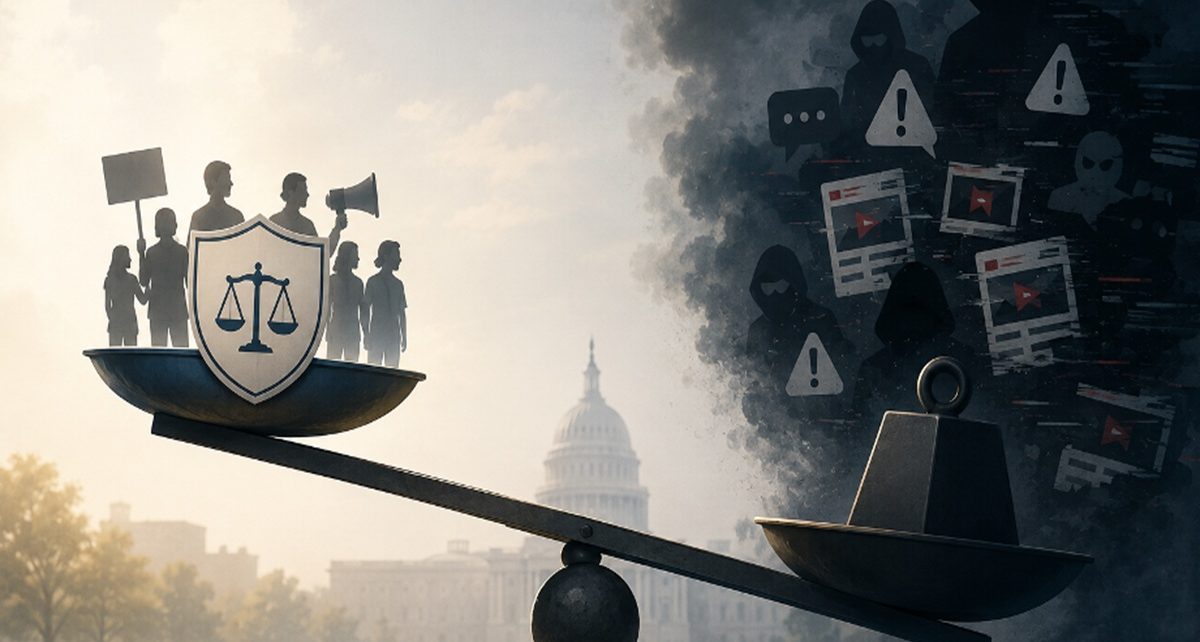
In this piece, Hermean Japra examines how hybrid warfare, using tools such as disinformation, cyberattacks, and economic pressure, undermines democratic resilience. She analyzes how gendered disinformation and online abuse are used to silence women, limit their participation in public life, and weaken societal resilience. Her analysis outlines practical
strategies NATO can adopt, including improved gender-sensitive threat analysis, support mechanisms for targeted women, and strengthened information resilience systems to counter gender-based hybrid threats.

Centre For Disinformation Studies

When Narratives Undermine Security: How Disinformation Shapes the Environment Around Canada’s Defence Decisions

Modern adversaries no longer need to cross borders to weaken Canada’s security. They focus instead on the environment in which defence decisions are made. Public trust, ideas about cost, and perceptions of Canada’s place in the world become strategic targets. When the informational space around defence policy is filled with confusion or mistrust, even the Read More…

Environment, Climate Change, and Security

POWER PLAY IN THE ARCTIC: PART 5 – Blueprint for Canadian Arctic Leadership

*This is the fifth instalment of a six-part series. From a legal perspective, Canada’s ability to assert its sovereignty and security in the Arctic is hindered by the United Nations Convention on Law of the Sea (UNCLOS) and the Polar Code. Notably, while UNCLOS and the Polar Code respectively attempt to create a “standard framework Read More…

Security, Trade and the Economy

Who Owns the Infrastructure?

Foreign Investment, Market Structure, and NATO Economic Security Russia’s invasion of Ukraine marked a turning point in how NATO understands economic security. The immediate response was necessarily focused on energy: securing supply, diversifying imports, and hardening critical infrastructure against disruption. These efforts were essential. They reflected a growing recognition that dependence on hostile or unreliable Read More…

Cyber Security and Emerging Threats

Canada Already Entered the Quantum Era: Is it Exposed or Ready for What Comes Next?

An Interview with Brad McInnis Part 1 Brad McInnis is a cybersecurity and cryptographic resilience expert with more than twenty-five years of experience spanning industry, Canadian defence intelligence, the Five Eyes community, U.S. government and defence environments. His work has focused on long term confidentiality, enterprise key management, and large-scale cryptographic modernization for national level systems. He Read More…

Christy Lorenz Women in Security

Special Report: In All of Us Command: Rethinking Conscription Through a Gender-Inclusive Lens

How could gender-inclusive national service shape Canada’s future defence posture? This article examines the growing debate around universal service in Canada, assesses its implications for Women, Peace and Security commitments under NATO, and draws lessons from Nordic models to consider whether compulsory service could strengthen societal resilience and women’s meaningful participation in defence.

Hermean Japra Women in Security

Sexual Violence as a Weapon of War: NATO’s Responsibility to Protect Women

This article looks at how sexual violence operates as a weapon of war in Sudan, and considers NATO’s responsibility to protect women under its Women, Peace & Security (WPS) agenda. It emphasizes the necessity of international collaboration, through policing, justice, and accountability initiatives, in order to strengthen women’s protections and address conflict-related sexual violence.

Energy Security

Special Report: The Case for Canada to Become an Allied Energy Superpower

Introduction The 2022 Russian invasion of Ukraine has forced NATO to acknowledge the weaponization of energy. Electric grid coercion, gas cut-offs and cyber-intrusions into critical energy infrastructure and pipeline flow manipulation all represent core structural vulnerabilities of the European security architecture. NATO has responded by moving energy security from the periphery of its security planning Read More…

Angelina Smolynec Energy Security

Fractures in Unity: Hungary, Slovakia, and Europe’s Energy Future

As Canada seeks to strengthen its ties with the EU, how does division in European energy policy and broader support for Ukraine affect transatlantic unity? In this article, our Junior Research Fellow Angelina Smolynec unpacks pipeline politics and explains why Hungary and Slovakia have deepened their ties with Moscow, while most of the EU has committed to phasing out Russian fuel.