Centre For Disinformation Studies

The Price of Shelter: How Canada’s Housing Crisis Fuels Disinformation

Canada’s housing crisis has made the public more susceptible to scapegoating and disinformation. Ji Young Kim examines how Russia’s Tenet Media operation exploited domestic culture wars, weakening societal resilience and undermining Canada’s reliability within NATO.

NATO and Canada

Behind the Northern Flank: Security Beyond Deterrence in the Canadian Arctic

The Arctic has become a key fixture of transatlantic security and Canada has taken significant steps to expand the securitization of the region. In his latest piece, Jonah Moffatt argues that security extends beyond deterrence in already vulnerable Northern communities, underscoring the necessity of investment with dual military and civilian outcomes. In doing so, Canada can lead NATO’s polar pivot by ensuring the homeland behind the flank benefits from the region’s growing strategic importance.

Society, Culture, and Security

‘Free?’ Alberta: Foreign Interference in Alberta’s Separatist Movement

In early 2026, researchers from the Canadian Digital Media Research Network noticed something odd. They discovered a network of at least twenty YouTube channels all promoting Alberta separatism and U.S. annexation in an eerily similar fashion. These channels all used the same template: thumbnails with fake pictures of Mark Carney and Danielle Smith, AI voiceovers, Read More…

Centre For Disinformation Studies

How Russian Disinformation Strengthens the Far Right: Doppelganger Campaigns and the 2024 European Parliament Elections

What happens when fake news looks almost identical to the real thing? This article highlights how Russia’s Doppelganger disinformation campaigns use cloned news websites to make disinformation appear credible and familiar. Focusing on the 2024 European Parliament elections as a case study, it shows how these campaigns exploit existing concerns such as immigration, economic insecurity, and support for Ukraine to amplify divisions within Europe. More broadly, it considers how these tactics could shape future elections, influence public debate, and make collective action across the European Union and NATO more difficult.

Kaya Dupuis Women in Security

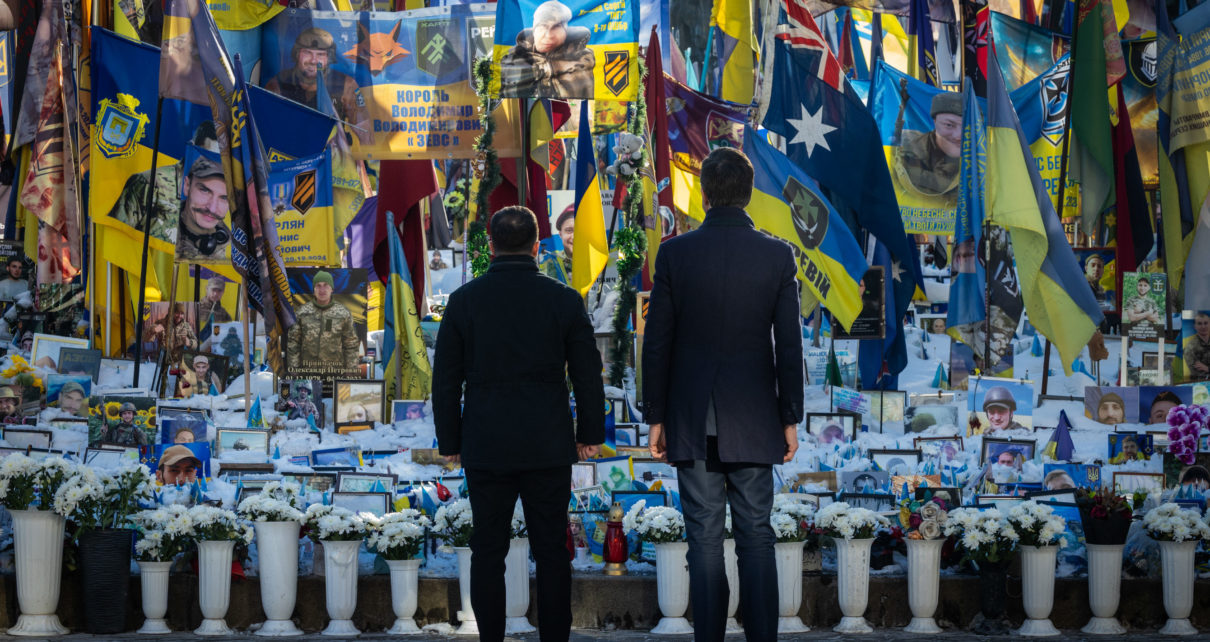
Testimony as Justice: Ukrainian Women Documenting the Unthinkable

Ukrainian women-led organizations are building the evidentiary record for Russian wartime sexual violence, but are Canada and its NATO allies directing enough resources to the mechanisms that make accountability possible? In this article, Kaya Dupuis examines how organizations like La Strada-Ukraine and JurFem are documenting conflict-related sexual violence under active fire and what Canada’s commitments under NATO’s Women, Peace and Security agenda actually look like on the ground.

Centre For Disinformation Studies

Democracy and Disinformation, Part 3: The Cost of Comfort

Canada has the institutions, the reports, and the warnings about disinformation. What it lacks is a population that feels the threat. In this article, Dominique Arseneau-Bruneau looks at how Canada’s lack of urgency affects its response to disinformation through the lens of legality, legitimacy, and speed, and what the cost of that comfort may ultimately be.

Centre For Disinformation Studies

The New Front: Russian Disinformation and Europe’s Youth

As social media becomes the primary source of political information for younger generations, Russian disinformation campaigns increasingly exploit digital platforms to undermine trust, fuel polarization, and discourage democratic participation. By examining today’s younger generation as a strategic target of information warfare, this article explores how disinformation has evolved into a growing challenge for democratic resilience and NATO’s collective security.

Centre For Disinformation Studies

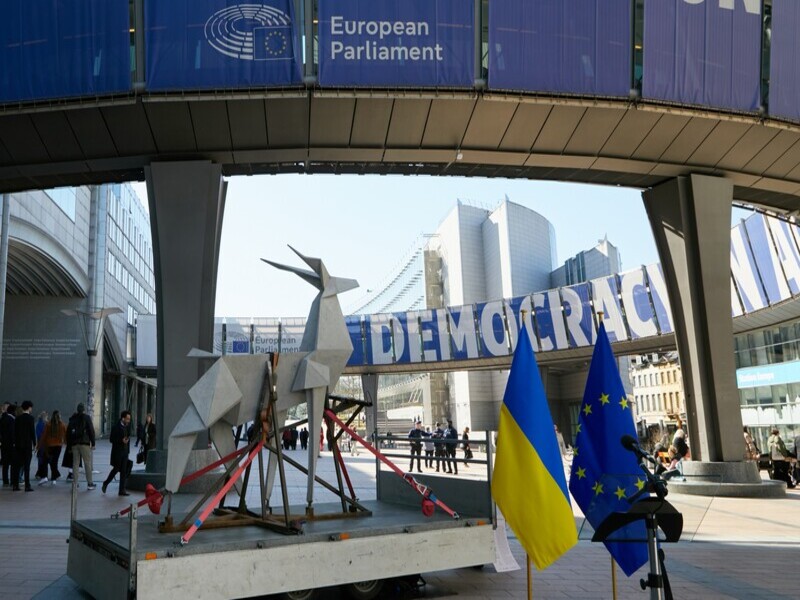
Democracy and Disinformation, Part 2: The European Case

The European Union has come to treat disinformation not as a problem of false information, but as a threat to democracy itself. In this article, Dominique Arseneau-Bruneau examines how legality, legitimacy, and speed shape the EU’s response to information confrontation and what its experience reveals about the limits of democratic defence.

NATO and Canada

Ukraine’s Victory Paradox: Preventing Defeat Without Defining Victory

How will the war in Ukraine end? While NATO allies have been effective in preventing Ukraine’s defeat, defining a political end-state has proven much more complicated. In this piece, Jonah Moffatt examines the “victory paradox” between Moscow and Kyiv, and the implications of this stalemate on Canadian national interests. With peace talks on the back burner and shifting geopolitical priorities, the relationship between peace and victory becomes increasingly unclear.

Society, Culture, and Security

Culture and Security at the Venice Biennale

Countries from around the world are invited to represent themselves through national pavilions at the Venice Biennale, an international cultural exhibition with a focus on art in Venice, Italy. In 2026, 100 nations participate in the festival. It provides a unique platform for cultural diplomacy, the projection of soft power, and for countries to showcase Read More…