Morgan Singer Women in Security

Critical Minerals, Critical Equality: Integrating Gender into NATO’s Critical Minerals Framework

Critical minerals are growing crucial to NATO’s defence-industrial capacity, but the governance of their extraction has largely omitted gender sensitive considerations. This article argues that as NATO intensifies efforts to secure defence-critical mineral supply chains, leveraging its Women, Peace and Security (WPS) Agenda can help develop a gender-responsive governing framework. Drawing on Canada’s emerging critical minerals framework, this article discusses the legal safeguards and inclusive governance that can strengthen supply chain resilience while embedding gender considerations. This way, NATO members can enhance both strategic mineral security and its commitments to sustainable peace and security in tandem with gender equality.
Tessa McDermid Women in Security

Resilient to the Manosphere: How NATO Can Counter Algorithm-Driven Threats to Women’s Security

The manosphere is a network of communities united by opposition to feminism that has expanded from fringe corners of the internet into mainstream public discourse. In this article, Tessa McDermid presents how social media algorithms are mainstreaming manosphere ideology among Gen Z men, and how this poses threats to the safety and participation of women in NATO’s armed forces and to the Alliance’s Women, Peace and Security (WPS) commitments. Addressing these risks requires NATO to update its WPS policy to explicitly incorporate manosphere produced threats, expand counter-radicalization programmes to recognize online misogyny as an extremist pathway, and to invest in digital and gender literacy training for military personnel.

Security, Trade and the Economy

Dealing with Defence: Canada’s Use of Economic Agreements as Instruments for Security

A tariff regime isn’t an act of war, and a supply-chain cut-off isn’t an invasion — even if they are coercive. In this article, Tyler Stevenson examines how Canada is responding to these threats through a new wave of comprehensive partnerships that treat trade as an extension of defence policy.

Security, Trade and the Economy

Reaching the 2% Goal: Canada’s Increased Defence Spending and Its Implications

For the first time since the end of the Cold War, Canada has achieved NATO’s 2% defence expenditure target under the leadership of Prime Minister Mark Carney. While the increase in spending does strengthen Canada’s credibility within the North Atlantic Treaty Organization (NATO) and supports domestic defence-related industries and employment, the 2% target does not measure actual military effectiveness. Can Canada convert higher defence expenditures into deployable capabilities, procurement reform, personnel increases, and reduced dependence on the United States?

Security, Trade and the Economy

The Canada Strong Fund and NATO Obligations: Is Canada Investing or Mortgaging?

As Canada simultaneously hits NATO’s 2% defence spending threshold and launches a debt-financed sovereign wealth fund, Kaya Dupuis asks whether Ottawa can credibly afford both. This article examines whether the Canada Strong Fund can serve as a genuine NATO defence-industrial asset, or whether its borrowed foundation will undermine the very commitments it is meant to support.

Security, Trade and the Economy

Trade Law and the Coordination of Security-Based Trade Measures

As economic security becomes increasingly central to international policymaking, trade law is being reshaped by sanctions, export controls, and other security-based economic measures. In this article, Hassan Ahmed examines how the WTO’s national security exception has evolved from a narrow safeguard into a more routine justification for strategic economic action, and how allied states increasingly coordinate such measures through informal alignment rather than unified legal frameworks. Using examples ranging from semiconductor export controls to sanctions coordination following Russia’s invasion of Ukraine, the article explores the growing intersection of trade law, strategic competition, and alliance politics, including the implications for middle powers such as Canada.

Security, Trade and the Economy

Complement or Challenge to Transatlantic Security? Reassessing Europe’s Role in NATO

As Europe advances its pursuit of strategic autonomy, questions are emerging about the future of NATO and transatlantic security. Can a more independent Europe strengthen collective defence, or risk fragmentation? This article explores how alignment and coordination will shape the future of Western security.

Security, Trade and the Economy

Who Pays for Defence? Canada, NATO and the New Architecture of Defence Spending

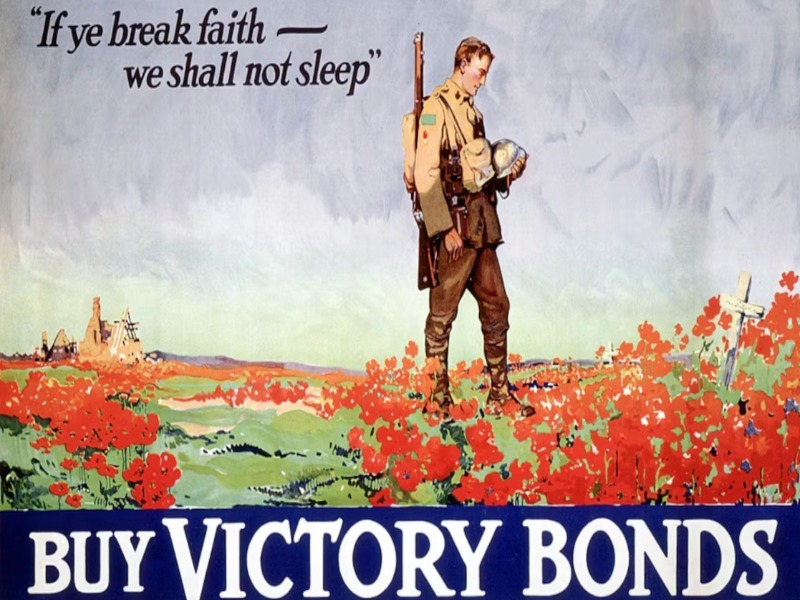
As NATO allies commit to spending 5% of GDP on defence by 2035, Kaya Dupuis examines how Canada plans to finance its most ambitious military commitment since the Cold War and whether a new multilateral bank can succeed where Victory Bonds once did. Can capital markets do what kitchen-table patriotism once accomplished?

Cyber Security and Emerging Threats

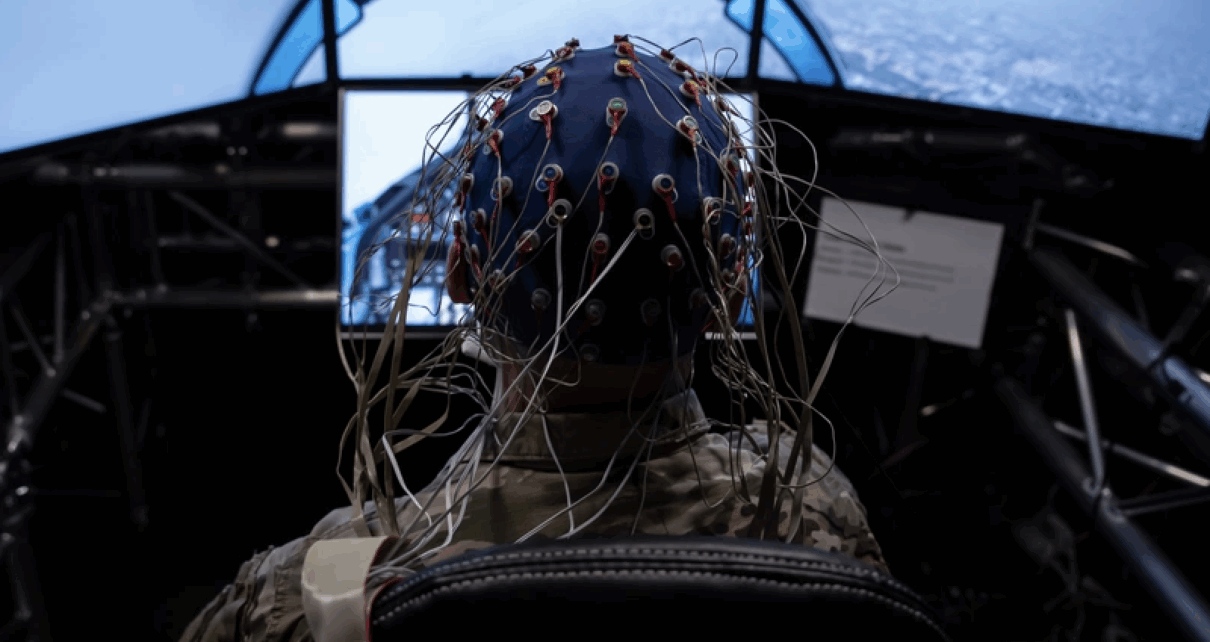
Is NATO Ready for the Brain Battlefield? Navigating the Governance Window for Neurotechnology

In the shadow of artificial intelligence, governments are pouring billions into technologies that collapse the distinction between human thought and machine computation. If NATO does not intervene early, it risks ceding strategic influence to competitors who view the mind as a domain for military advantage. Yet the strategic promise of neurotechnology is matched by questions about control, accountability, and exploitation that the Alliance cannot afford to ignore. NATO must move quickly, but through a phased approach that balances innovation with the protection of cognitive integrity.

Canadian Armed Forces

2 Years On: What “Our North, Strong and Free” has — and hasn’t — Delivered  

This April marks two years since the Department of National Defence released its updated policy titled “Our North, Strong and Free: A Renewed Vision for Canada’s Defence,” which pledged $8.1 billion over five years and $73 billion over 20 years in national defence, signifying a new commitment to a military that had previously been underfunded Read More…