placeholder for programs

Environment, Climate Change, and Security

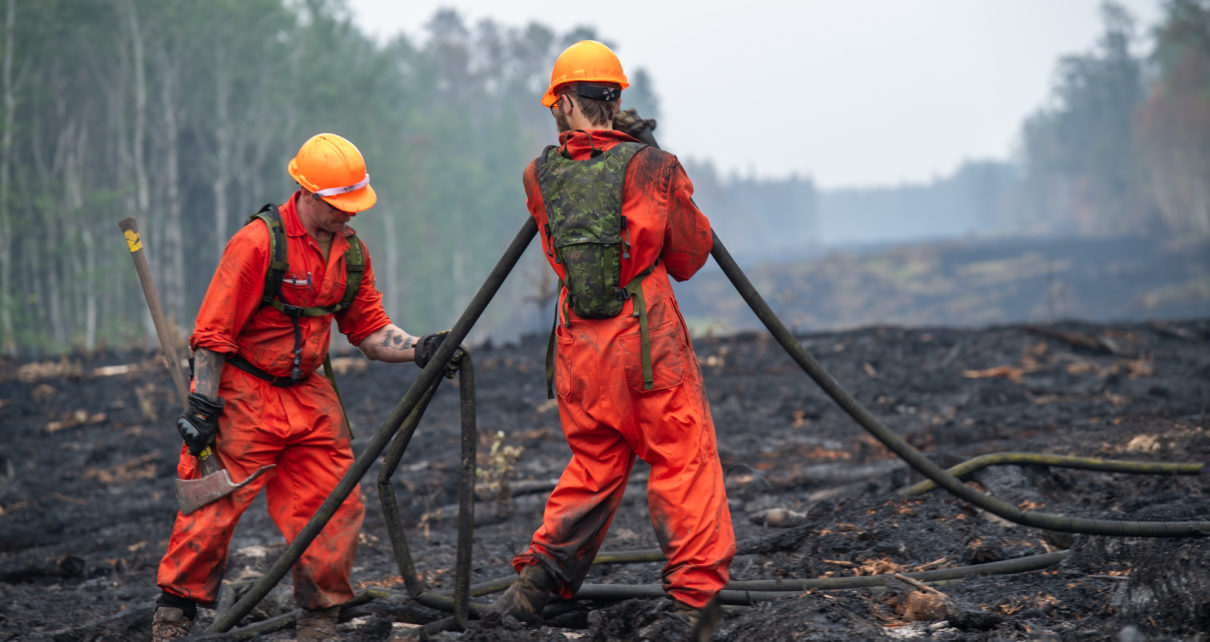
Beyond Operation LENTUS: A Proposal for a Dedicated Canadian Civilian Emergency Corps 

Canada’s Climate Vulnerability Canada’s climate is warming at twice the global average rate, and Arctic regions are at nearly four times the global average rate. As snow and sea ice melt, reduced surface reflectivity exposes darker land and water that absorb more solar radiation, further accelerating warming. The consequences are already visible in the frequency Read More…

NATO and Canada

Charting a New Road: What the NATO Acquisition of the GlobalEye Means for Canada

In this article, Zev Wood examines the NATO and Canadian-level implications of NATO’s decision to replace its aging Boeing E-3 Sentry surveillance fleet with the GlobalEye. He argues that the deal, while reflecting NATO’s desire to improve its military capacity, points to a broader realignment away from the United States. He underscores that this moment provides Canada with a strategic window to entrench itself as a reliable alternative to the United States and a burgeoning defence manufacturing nation.

Security, Trade and the Economy

The Canada Strong Fund and NATO Obligations: Is Canada Investing or Mortgaging?

As Canada simultaneously hits NATO’s 2% defence spending threshold and launches a debt-financed sovereign wealth fund, Kaya Dupuis asks whether Ottawa can credibly afford both. This article examines whether the Canada Strong Fund can serve as a genuine NATO defence-industrial asset, or whether its borrowed foundation will undermine the very commitments it is meant to support.

Centre For Disinformation Studies

Weaponizing Post-COVID Trauma in the New Hantavirus Outbreak

How does a pathogen with little pandemic potential threaten international security and defence? What happens when adversaries create and reuse conspiracies against a traumatized public? Ji Young Kim explores the current hantavirus outbreak, illustrating how hostile actors weaponize institutional betrayal and post-COVID trauma to disrupt NATO logistics and outline the urgent next steps required.

Centre For Disinformation Studies

Behind the Algorithm: How Technofascism Lies in the Shadows of Technological Advancements

What happens when the technologies designed to “personalize” and improve the optimization of our lives begin to mirror the tactics historically associated with fascist systems? In this article, Dorigen Gray explores the concept of technofascism and the hidden relationship between AI, algorithmic governance and application, and authoritarian forms of control. By examining the automation of behaviour, the control of information, and the growing concentration of technological and political power, the article reveals how modern technologies can quietly shape human experience, undermine democratic discourse, and normalize systems of domination beneath the promise of innovation and technological progress.

Cyber Security and Emerging Threats

From Trenches to Algorithms: Integrating Unmanned Ground Vehicles into NATO’s Cyber-Resilient Structure

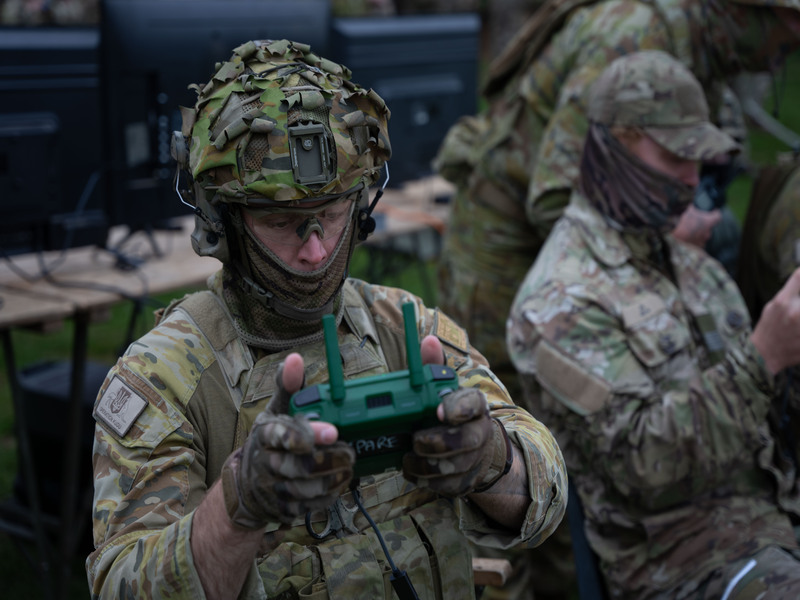
How can NATO integrate Unmanned Ground Vehicles (UGVs) into the Cyber Defence Framework? In this article, Christopher Macartney highlights the developments and capabilities of UGVs during the Russia-Ukraine War and strengthening UGV network defences as a strategic asset for NATO in the future of warfare.

Bibi Hakim Women in Security

Why NATO Needs Women to Rebuild Defence Capacity

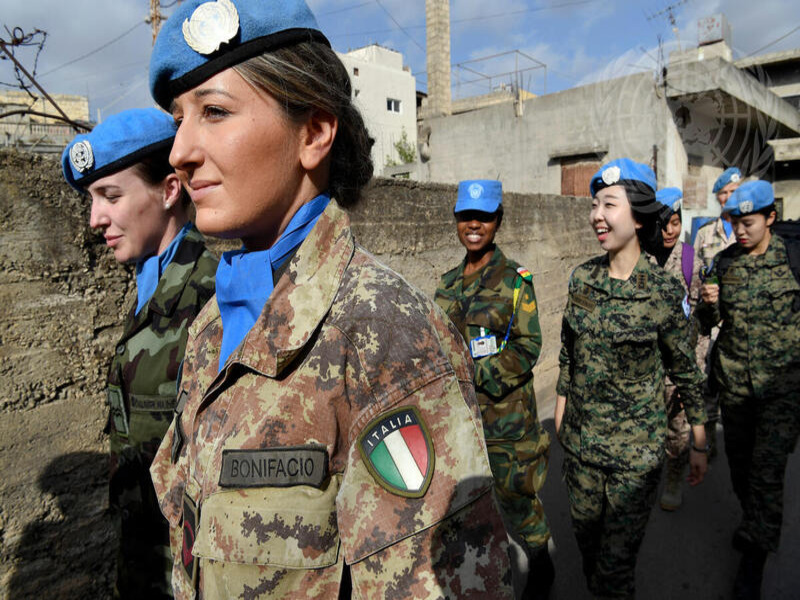
Canada and France are amongst NATO’s leading countries in advancing gender parity. With their Armed Forces compromising between 16-17% of women actively serving in the military. Despite these achievements both countries continue to face significant challenges with recruitment and retention specifically amongst women with strong backgrounds in STEM and cybersecurity. The underrepresentation of women in defence and cybersecurity presents a critical challenge to long term defence readiness and resilience.

Women in Security Yalda Matin

The Rollback of the Pentagon’s Women, Peace, and Security Program: What it Means for NATO and the Importance of Canadian WPS Leadership

With the U.S. rollback of the Pentagon’s Women, Peace, and Security program, the global WPS agenda appears to be at a crossroads. In the context of increasing geopolitical volatility, peacebuilding initiatives such as WPS must be at the forefront of NATO’s operational goals. Canada’s National Action Plan offers a leading example of how states can reinforce the global WPS agenda through comprehensive national policy.

Isabelle Zhu Women in Security

At a Crossroads: Can Canada Meet the Moment For its Feminist Foreign Policy?

Canada’s new plan to name a new Women, Peace and Security (WPS) ambassador is a positive signal, considering WPS and Feminist Foreign Policy (FFP) have historically been a reflection of Canadian values, as champions of peace and multilateral cooperation. Isabelle Zhu argues that Canada’s current “middle power” strategy would allow it to move forward as the new champion of FFPs and WPS, enhancing its position within the Alliance and on the international stage.

Centre For Disinformation Studies

Democracy and Disinformation, Part 1: A Structural Disadvantage

Can democratic states effectively counter disinformation without undermining the principles they seek to protect? Dominique Arseneau-Bruneau examines how legality, legitimacy, and institutional complexity shape democratic responses in the information environment.